中文简体
中文简体 Español
Home / Resources / Industry News / What are the common defects and solutions for metal bending parts?
Industry News
Dec 16,2025
What are the common defects and solutions for metal bending parts?
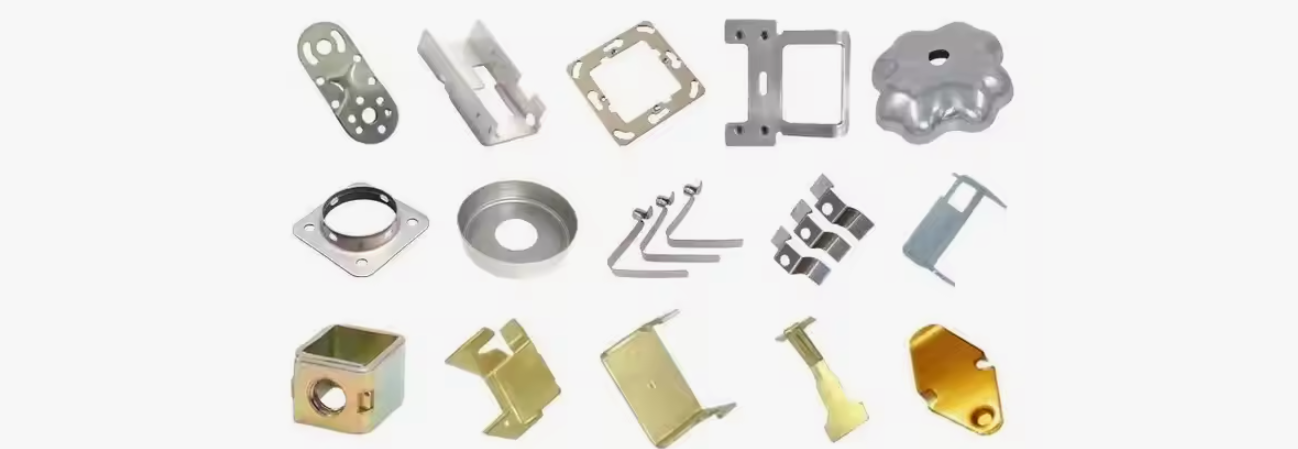
Metal bending parts are widely used in various industries such as automotive, aerospace, construction, and electronics. They are formed into specific shapes and functions through mechanical bending during the manufacturing process. However, in actual production, metal bending parts often face various defects that affect their quality, performance, and lifespan. This article will introduce you to common defects in metal bending parts and propose corresponding solutions to help manufacturers improve production efficiency and part quality.
1. Bending Cracking
Causes of defects:
Improper material selection: If the metal material has poor ductility or is too hard, cracking is likely to occur during the bending process.
Too small bending angle: During the bending process, a small angle or bending radius can easily cause excessive internal stress in the material, leading to cracks.
Uneven stress distribution: If the stress distribution during the bending process is uneven, the stress in some parts may exceed the material's load-bearing capacity, causing local cracking.
Solutions:
Select appropriate materials: Based on the design requirements of the part, select materials with good ductility and lower hardness, avoiding the use of brittle metals.
Optimize the bending radius: By increasing the bending radius or adjusting the bending angle, reduce the stress concentration inside the material and prevent cracking.
Preheating treatment: For some harder metal materials, appropriate preheating treatment can improve their ductility and reduce the risk of cracking.
2. Surface Wrinkling
Causes of defects:
Excessive bending: When performing large-angle bending, wrinkles are easily generated on the metal surface, especially in thin sheet metal.
Uneven pressure distribution: If the pressure applied during the bending process is uneven, it can also cause wrinkles on the surface of local areas.
Material surface defects: If the metal surface has defects or scratches, bending will exacerbate the generation of wrinkles.
Solutions:
Adjust bending parameters: Avoid excessive bending and ensure that the bending angle and radius are appropriate. Use suitable bending machines and tools to ensure even pressure application.
Adopt thickening process: For thin sheet metal, a thickening process can be adopted before production to reduce wrinkles caused by local stretching during the bending process. Surface Treatment: By optimizing the surface treatment methods of the material, surface defects are reduced, lowering the risk of wrinkling.
3. Bending and Warping
Causes of Defects:
Uneven Heating: If the temperature distribution of the metal is uneven during the heating process, it may lead to warping of the part after bending.
Uneven Stress During Bending: Uneven distribution of external forces on the metal during bending can also lead to warping after bending.
Uneven Material Thickness: If the thickness of the metal sheet is inconsistent, the thicker parts are more susceptible to greater stress during bending, leading to warping.
Solutions:
Uniform Heating: Ensure that the temperature distribution of the metal material is uniform during the heating process to avoid deformation caused by local overheating or undercooling.
Optimized Stress Design: By improving the bending process, ensure uniform stress during bending, especially in multi-point bending, and try to avoid excessive local stress.
Correction of Warping After Bending: After bending, correction can be performed through correction processes, such as reverse bending or using a straightening machine.
4. Dimensional Deviation
Causes of Defects:
Insufficient Equipment Accuracy: Insufficient accuracy or improper adjustment of the bending equipment can easily lead to dimensional deviations in the bent parts.
Mold Wear: Mold wear during use will affect the accuracy of the parts, resulting in dimensions that do not meet the requirements.
Material Elastic Recovery: Metals have a certain degree of elastic recovery after bending, especially high-strength steel, which may lead to deviations in bending angle and dimensions.
Solutions:
Regular Equipment Calibration: Ensure that the bending equipment is regularly inspected and calibrated to guarantee its accuracy.
Use High-Precision Molds: In mold design and manufacturing, ensure high precision of the molds to avoid dimensional deviations of parts due to wear.
Estimate Elastic Recovery: Consider the elastic recovery effect of the metal during the design phase, and make appropriate dimensional corrections based on the recovery coefficient of different materials.
5. Surface Scratches and Dents
Causes of Defects:
Improper Operation: Improper operation during the bending process, such as inaccurate mold alignment or insecure clamping, may lead to scratches or dents on the metal surface.
Excessive Impact Force: Excessive impact force or unstable operation during the bending process may cause dents on the surface of the part. Contaminant Presence: If the surfaces of the workbench, tools, molds, etc., have oil stains, metal shavings, or other foreign matter, it can easily cause scratches on the metal surface during bending.
Solutions:
Optimize process parameters: Adjust bending pressure and speed to avoid excessive impact force that can cause surface damage.
Clean the operating environment: Keep the equipment and work environment clean to ensure that the surfaces of parts and molds are free of contaminants.
Strengthen operational training: Provide training to operators to ensure they avoid scratches and dents during operation.
6. Metal Fatigue and Cracking
Causes of Defects:
Excessive bending: After repeated bending, especially repeated bending cycles, metal materials can experience metal fatigue, leading to cracking.
Excessive stretching: During the bending process, if a part of the metal is excessively stretched, it may lead to the formation of microcracks, ultimately resulting in cracking.
Solutions:
Avoid excessive bending: During the design phase, ensure that the bending angle and radius are appropriate to avoid exceeding the metal's allowable bending limit.
Select appropriate materials: For parts that require repeated bending, choose metal materials with good fatigue resistance.
Perform post-processing: Bent metal parts can be heat-treated or surface-hardened to improve their fatigue resistance and durability.
Metal bending parts may encounter various defects during the manufacturing process. These defects not only affect the function and quality of the parts but may also lead to product scrap and reduced production efficiency. By rationally selecting materials, optimizing process design, improving equipment accuracy, and strengthening operational control, these defects can be effectively avoided or reduced.
Why are metal animal drinking bowls the best choice for safe pet drinking water?
What to do if burrs appear on metal stamping parts? How to avoid them?
related products
Send An Inquiry
Don't hesitate to contact when you need us!
Whether you want to become our partner or need our professional guidance or support in product selections and problem solutions, our experts are always ready to help within 12 hours globally
contact Us
Phone:+86 139-5824-9488
FAX :+86 574-86150176
E-mail: [email protected] [email protected]
Address: Unit 2, Building 19, Zhichuangzhizao Park, Chengdong Industrial Zone, Xiangshan, Ningbo,315705, Zhejiang, China
Product Category
Mobile