中文简体
中文简体 Español
Industry News
May 08,2026
What are the advantages of using metal pallet feet?
Content
- 1 Exceptional Load-Bearing Strength
- 2 Long Service Life and Cost Efficiency
- 3 Resistance to Harsh Environmental Conditions
- 4 Dimensional Stability and Forklift Compatibility
- 5 Hygiene and Cleanability for Food and Pharmaceutical Use
- 6 Fire Safety and Regulatory Compliance
- 7 Metal Pallet Feet vs. Plastic and Wooden Alternatives
- 8 Sustainability and End-of-Life Recyclability
- 9 Common Metal Pallet Foot Materials and Their Best Applications
- 10 Key Specifications to Consider When Selecting Metal Pallet Feet
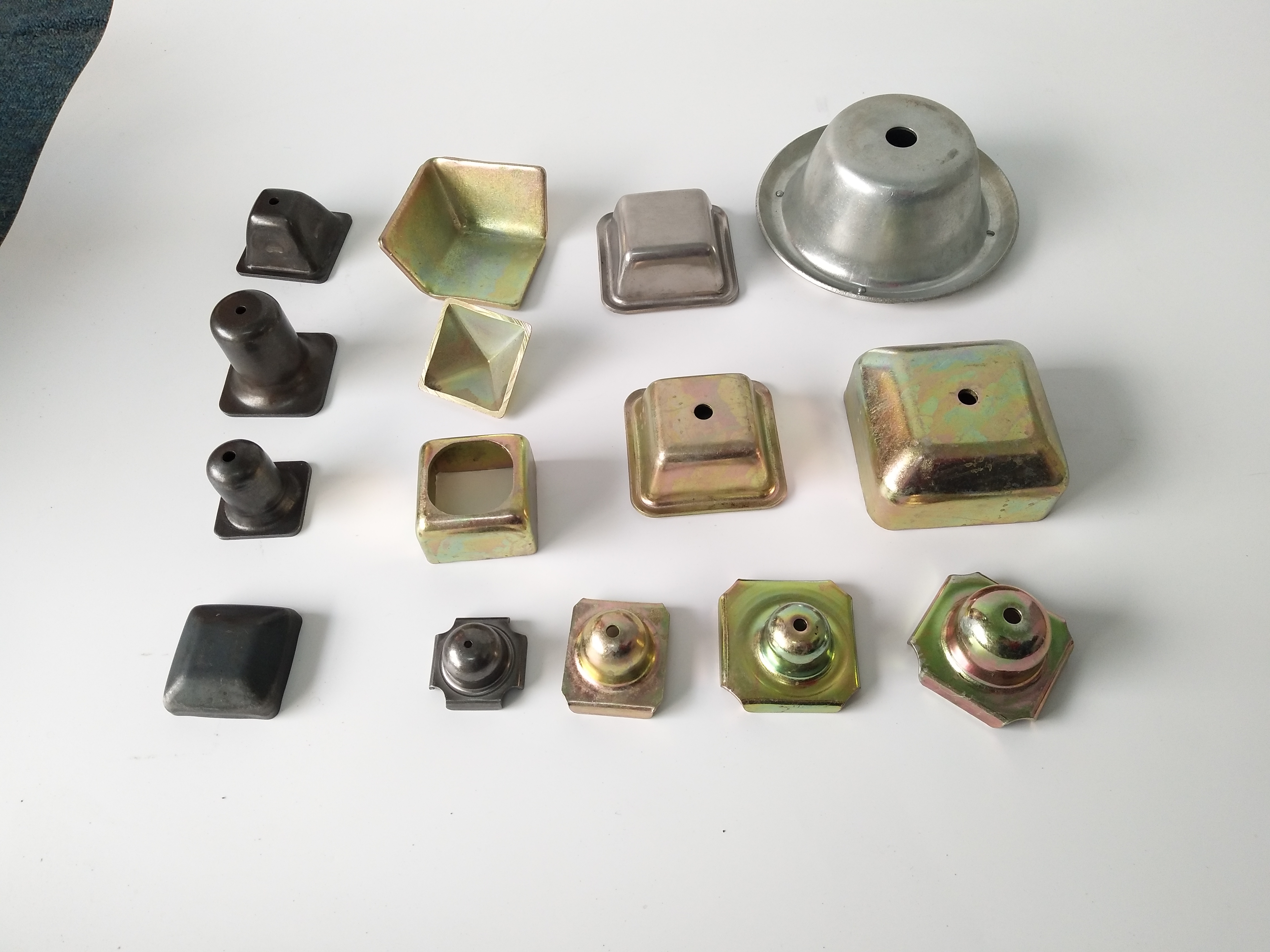
Metal pallet feet deliver superior load-bearing capacity, long service life, resistance to harsh environments, and consistent dimensional stability compared to plastic or wooden pallet block alternatives. Fitted to the underside of flat-deck pallets, metal feet convert a simple platform into a forklift- and pallet-jack-compatible storage and transport unit capable of supporting loads exceeding 2,000 kg per pallet in demanding industrial, cold-storage, and outdoor applications. For operations where reliability, hygiene, and total cost of ownership matter, metal pallet feet represent the most durable and cost-effective choice available.
Exceptional Load-Bearing Strength
The primary functional advantage of metal pallet feet is their structural capacity. Steel and galvanized iron feet are engineered to distribute static and dynamic loads evenly across the floor contact surface, preventing concentrated point loads that cause floor damage and pallet instability.
In practice, metal pallet feet fabricated from 2–4 mm thick steel plate typically achieve static load ratings of 1,500 to 3,000 kg per pallet, depending on the foot geometry, the number of feet per pallet (usually three or four), and the deck construction. This load capacity significantly exceeds what plastic block feet can sustain — most polymer feet are rated to 800–1,200 kg before deformation becomes a risk.
For high-density racking systems where pallets are stacked two or three high, the cumulative load on each bottom pallet's feet can exceed 4,000–6,000 kg. Only metal feet reliably maintain structural integrity under these stacking pressures without creep, compression set, or catastrophic failure.
Long Service Life and Cost Efficiency
Metal pallet feet are built to last. A properly specified and maintained set of galvanized steel feet on a flat-deck pallet can remain in service for 10–20 years or more under normal warehouse conditions — far outlasting wooden block feet, which typically require replacement every 2–5 years due to moisture damage, splitting, and pest infestation, and plastic feet, which degrade through UV exposure, thermal cycling, and impact fatigue.
The higher initial unit cost of metal feet is recovered rapidly through reduced replacement frequency. When evaluated on a total cost of ownership basis over a 10-year period, metal pallet feet typically deliver a 30–50% lower cost per cycle compared to equivalent plastic feet that require replacement every 3–4 years.
Additionally, metal feet can often be repaired rather than replaced. A dented or bent foot can be reshaped in a workshop; a cracked plastic foot must be discarded entirely.
Resistance to Harsh Environmental Conditions
Many industrial environments place severe demands on pallet components that plastic and wood cannot reliably meet. Metal pallet feet — particularly those manufactured from galvanized steel, stainless steel, or powder-coated mild steel — are engineered to perform consistently across a wide range of challenging conditions.
Cold Storage and Freezer Environments
Plastic materials become brittle at temperatures below -10°C to -20°C, significantly increasing their risk of cracking under impact from forklifts or falling loads. Metal feet maintain their structural properties and impact resistance down to -40°C or lower when fabricated from appropriate steel grades, making them the standard choice in cold chain logistics and frozen food distribution.
High-Temperature and Autoclave Environments
In food processing, pharmaceutical, and chemical manufacturing environments where pallets pass through high-temperature washdown cycles or autoclaves, plastic feet deform and lose dimensional stability above 60–80°C. Stainless steel metal feet withstand steam sterilization at 121–134°C without dimensional change, making them suitable for GMP-compliant hygienic production areas.
Outdoor and Exposed Storage
UV radiation degrades most plastic materials over time, causing surface chalking, color fade, and structural weakening. Galvanized or hot-dip zinc-coated metal feet are immune to UV degradation and resist corrosion in outdoor storage conditions, with galvanized coatings providing effective protection for 20–30 years in mild atmospheric environments and 5–10 years in coastal or industrial atmospheres before significant corrosion risk develops.
Chemical and Corrosive Atmospheres
In chemical plants, water treatment facilities, and agricultural settings where pallets are exposed to fertilizers, cleaning agents, and chemical splashes, stainless steel (Grade 304 or 316) pallet feet provide excellent corrosion resistance. Grade 316 stainless is particularly effective in chloride-rich environments such as marine settings and food processing areas using saline cleaning solutions.
Dimensional Stability and Forklift Compatibility
Consistent foot dimensions are critical for safe forklift and pallet jack operation. The fork entry space — the clearance gap between the pallet deck and the floor created by the feet — must remain constant and within tolerance throughout the pallet's service life to allow reliable fork engagement without jamming, scraping, or tipping.
Metal pallet feet maintain their precise height and geometry under repeated loading and impact cycles. Plastic feet and wooden blocks are subject to compression creep — a gradual reduction in height over time under sustained load — which progressively reduces fork entry clearance. Even a 10–15 mm reduction in foot height can make a pallet incompatible with standard pallet jack wheels, creating operational problems and safety risks.
Standard metal pallet foot heights are typically 100 mm, 120 mm, or 150 mm, matching ISO pallet fork entry requirements and ensuring compatibility with standard warehouse handling equipment globally.
Hygiene and Cleanability for Food and Pharmaceutical Use
Hygiene is a critical consideration in food, beverage, pharmaceutical, and medical device manufacturing environments. Metal pallet feet — particularly stainless steel — offer distinct hygienic advantages over both wood and plastic alternatives:
- Non-porous smooth surfaces do not harbor bacteria, mold, or fungi the way wooden block grain and surface cracks do.
- Withstand high-pressure hot water washdown and chemical sanitizers without damage, delamination, or absorption — unlike plastic feet that can develop micro-cracks harboring contamination over time.
- No splinter or fragment risk — wooden feet can shed splinters and loose wood fibers that contaminate products and production areas, a critical failure mode eliminated by metal.
- Resistant to pest infestation — wood is vulnerable to insect and rodent damage; metal feet provide no biological substrate for pest activity.
- Compliant with food safety standards including HACCP, FDA 21 CFR, and EU food contact regulations when manufactured from food-grade stainless steel.
Fire Safety and Regulatory Compliance
In warehouses with automatic sprinkler systems, fire safety regulations in many jurisdictions restrict the use of combustible pallet materials in specific rack configurations and storage height categories. Metal pallet feet are non-combustible — they do not contribute to fire load, do not melt and drip burning material onto lower rack levels, and do not produce toxic smoke.
This makes metal-footed pallets advantageous in high-pile storage facilities subject to fire authority inspection and in environments storing flammable goods where minimizing ignition sources and combustible materials is a regulatory requirement. NFPA 13 and equivalent European fire codes specifically address pallet combustibility as a factor in sprinkler system design — metal feet can reduce the required sprinkler density in some storage configurations.
Metal Pallet Feet vs. Plastic and Wooden Alternatives
| Criterion | Metal Feet | Plastic Feet | Wooden Blocks |
|---|---|---|---|
| Static load capacity | Up to 3,000 kg+ | 800–1,200 kg | 600–1,000 kg |
| Service life | 10–20+ years | 3–5 years | 2–4 years |
| Cold temperature performance | Excellent (to -40°C) | Poor (brittle below -20°C) | Moderate (moisture issues) |
| Hygiene / cleanability | Excellent | Good | Poor |
| Dimensional stability under load | Excellent | Moderate (creep risk) | Moderate (moisture warp) |
| Fire safety | Non-combustible | Combustible / melts | Combustible |
| Pest resistance | Full | Full | Vulnerable |
| Repairability | High (reshape/weld) | Low (discard if cracked) | Moderate (nail/replace) |
| Initial cost | Higher | Medium | Lower |
| 10-year total cost of ownership | Lowest | Medium | Highest |
Sustainability and End-of-Life Recyclability
From an environmental perspective, metal pallet feet offer a clear advantage at end of service life. Steel and stainless steel are among the most recycled materials in the world — global steel recycling rates exceed 85% — and metal pallet feet retain significant scrap value when they eventually reach the end of their working life.
By contrast, mixed-material plastic feet are often not accepted in standard recycling streams and typically go to landfill. Contaminated wooden blocks may require specific disposal as treated timber waste in jurisdictions with strict timber waste regulations. The recyclability of metal feet aligns with circular economy procurement objectives increasingly required in corporate sustainability strategies and public sector purchasing frameworks.
The long service life of metal feet also means fewer replacement cycles, reducing the embedded carbon associated with manufacturing, transporting, and disposing of replacement components over the operational lifetime of a pallet fleet.
Common Metal Pallet Foot Materials and Their Best Applications
Not all metal pallet feet are identical — the choice of metal and surface finish significantly affects performance in specific environments. The three most common options are:
Hot-Dip Galvanized Steel
The most widely used specification for general warehouse, outdoor, and agricultural applications. The zinc coating thickness of 45–85 micrometers in hot-dip galvanizing provides excellent corrosion protection at moderate cost. Best suited for environments with humidity, rain exposure, and mild chemical contact.
Stainless Steel (Grade 304 / Grade 316)
The premium option for food processing, pharmaceutical, and marine environments. Grade 304 provides excellent general corrosion resistance; Grade 316 adds molybdenum for superior resistance to chloride-induced pitting corrosion — critical in environments using chlorine-based sanitizers or operating near seawater. Stainless feet support full steam sterilization and are fully compliant with food safety regulations requiring non-porous, corrosion-resistant contact surfaces.
Powder-Coated Mild Steel
A cost-effective option for indoor dry warehouse applications where the operating environment is controlled. Powder coating provides corrosion resistance and a cleanable surface finish at lower material cost than galvanizing or stainless. Not recommended for wet, outdoor, or chemical exposure environments where the coating may be damaged and base metal corrosion can follow.
Key Specifications to Consider When Selecting Metal Pallet Feet
Choosing the right metal pallet foot for a specific application requires evaluating several technical parameters:
- Foot height: Must provide sufficient fork entry clearance — typically a minimum of 100 mm for pallet jack compatibility and 120–150 mm for forklift operations on slightly uneven floors.
- Base footprint: A larger base distributes load over a greater floor area, reducing point loading on sensitive floor surfaces such as epoxy-coated concrete or raised access flooring.
- Wall thickness: Thicker steel walls (3–4 mm versus 1.5–2 mm) significantly increase resistance to impact deformation from forklift collisions — the primary cause of premature metal foot failure in high-traffic operations.
- Attachment method: Feet can be welded, bolted, or clip-attached to the pallet deck. Welded attachment provides the greatest structural integrity; bolt-on feet allow field replacement of individual damaged feet without scrapping the entire pallet.
- Surface finish and material grade: Match the material specification to the operating environment — galvanized for general use, stainless Grade 316 for food and marine, powder-coated mild steel for dry indoor environments only.
- Number of feet per pallet: Three-foot configurations (one at each end, one in the center) are most common on flat-deck pallets; four-corner configurations are used where maximum stability under asymmetric loading is required.
related products
Send An Inquiry
Don't hesitate to contact when you need us!
Whether you want to become our partner or need our professional guidance or support in product selections and problem solutions, our experts are always ready to help within 12 hours globally
contact Us
Phone:+86 139-5824-9488
FAX :+86 574-86150176
E-mail: [email protected] [email protected]
Address: Unit 2, Building 19, Zhichuangzhizao Park, Chengdong Industrial Zone, Xiangshan, Ningbo,315705, Zhejiang, China
Product Category
Mobile