中文简体
中文简体 Español
Industry News
Apr 10,2026
How to choose the right Metal Pallet Feet?
Content
- 1 Match the Material to Your Operating Environment
- 2 Choose the Right Height for Your Handling Equipment
- 3 Assess Foot Base Dimensions for Stability and Racking Compatibility
- 4 Consider the Attachment Method: Welded, Bolted, or Press-Fit
- 5 Check for Stacking and Nesting Features
- 6 Evaluate Surface Finish for Traction and Safety
- 7 Factor in Total Cost of Ownership, Not Just Unit Price
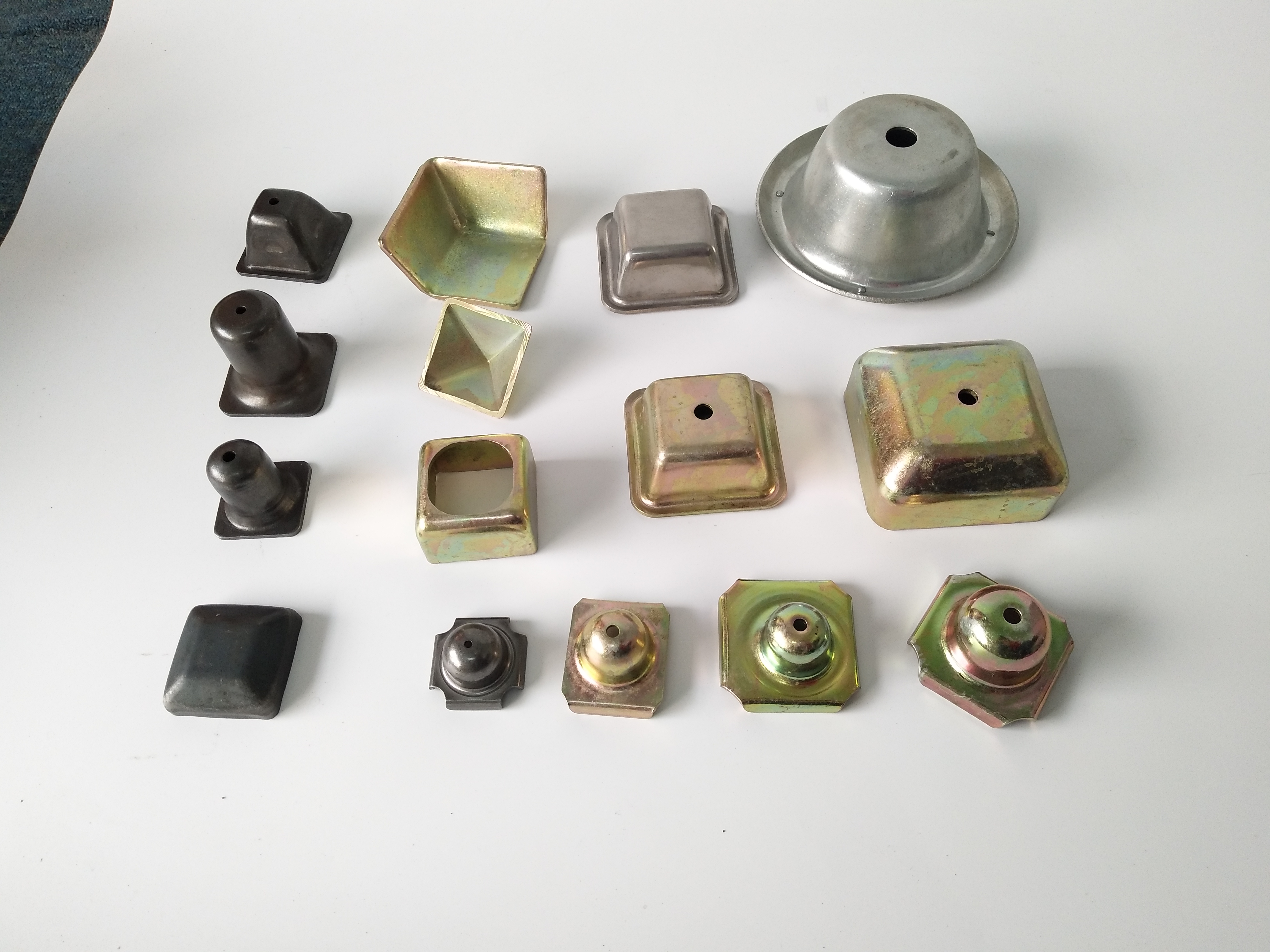
The single most important criterion when choosing metal pallet feet & nesting plugs is whether they can safely support your maximum load. Undersized pallet feet & nesting plugs are a leading cause of pallet collapse and warehouse accidents. Begin by calculating the total weight of goods per pallet, then select feet rated for at least 20–30% above that figure to account for dynamic loading during forklift handling.
For example, if your average pallet load is 1,200 kg, choose feet with a static load rating of at least 1,500–1,600 kg. For pallets carrying steel coils or machinery exceeding 3,000 kg, only heavy-duty stamped or welded steel feet should be considered.
Match the Material to Your Operating Environment
Not all metal pallet feet & nesting plugs perform equally in every environment. The material choice directly affects longevity, hygiene compliance, and total cost of ownership.
| Material | Best For | Avoid When |
|---|---|---|
| Cold-rolled steel (uncoated) | Dry indoor environments | Humid or outdoor use |
| Galvanized steel | General industrial, cold storage | Direct food contact areas |
| Stainless steel (304/316) | Food, pharma, chemical plants | Budget-constrained dry storage |
| Powder-coated steel | Light industrial, color-coded systems | High-impact or abrasive environments |
For food and pharmaceutical applications, stainless steel 316 is preferred over 304 due to its superior resistance to chloride-based cleaning agents commonly used in those industries.
Choose the Right Height for Your Handling Equipment
Pallet foot height must be matched to the entry requirements of your forklifts, pallet jacks, or AGVs. Common height ranges are:
- 75–90 mm: Suitable for standard hand pallet trucks with low-profile tines
- 100–120 mm: The most common choice for counterbalance forklifts in general warehousing
- 130–150 mm: Used in reach truck operations or where additional ventilation clearance is needed
Always verify the minimum entry height specification of your handling equipment before selecting foot height. A mismatch can prevent proper tine insertion and lead to tipping incidents.
Assess Foot Base Dimensions for Stability and Racking Compatibility
The footprint of the pallet foot base determines two things: stability on the floor and compatibility with racking systems. A wider base distributes load more evenly, reducing the risk of feet sinking into soft flooring materials. For racking compatibility, the base must seat securely on racking beams without overhang or instability.
Standard base sizes range from 80 × 80 mm to 150 × 150 mm. For racking systems with 40 mm wide beams, a minimum foot base of 80 mm is recommended to ensure at least 20 mm of bearing surface on each side of the beam centerline.
Consider the Attachment Method: Welded, Bolted, or Press-Fit
Metal pallet feet & nesting plugs are attached to pallet bases in different ways, and the right method depends on your maintenance model and pallet construction:
- Welded feet: Permanent and strongest option; used on all-metal pallets and heavy industrial skids. Not suitable if feet need periodic replacement.
- Bolted feet: Allow field replacement without specialist equipment. Ideal for pallet repair programs and composite pallet systems. Use M10 or M12 bolts with locking washers for vibration-prone environments.
- Press-fit or clip-on feet: Fast to install and replace; common in lightweight applications. Lower maximum load capacity — typically under 1,000 kg per foot.
Check for Stacking and Nesting Features
If your operation involves stacking loaded pallets directly on top of each other, choose metal feet with an interlocking or recessed top profile. These designs allow the feet of the upper pallet to seat into the feet of the lower pallet, preventing lateral shifting that could lead to a stack collapse.
For empty pallet storage and return logistics, look for feet designed with nesting geometry — a tapered or stepped profile that allows empty pallets to stack compactly, reducing return freight costs. Proper nesting can reduce empty pallet stack height by 30–50%.
Evaluate Surface Finish for Traction and Safety
The underside surface of metal pallet feet & nesting plugs affects how the pallet behaves on different floor types. Smooth steel feet can slide on polished concrete under dynamic loads, creating a safety hazard. Considerations include:
- Feet with rubber pads or non-slip coatings on the base are recommended for smooth floor surfaces and inclines
- Serrated or textured steel bases provide grip on rough concrete without additional materials
- For outdoor use, feet with drainage holes or open bases prevent water pooling that could cause corrosion or freeze in cold climates
Factor in Total Cost of Ownership, Not Just Unit Price
Lower-priced metal pallet feet & nesting plugs made from thinner gauge steel may seem economical, but they often deform under repeated loading and require replacement within 1–2 years. Higher-quality feet made from 3–4 mm thick cold-rolled or galvanized steel typically last 5–10 years in standard warehouse use, delivering a significantly lower cost per year of service.
When comparing options, ask suppliers for the steel gauge (thickness), yield strength rating, and any test certifications such as ISO 8611 (the international standard for pallet testing). These figures allow direct cost-performance comparison across products.
We offer free samples, allowing you to conduct a hands-on assessment of product quality before committing to a formal purchase. We also provide bulk quotation services, offering reasonable and transparent pricing plans tailored to your specific purchasing volume and requirements. Furthermore, we conduct customized evaluations—taking into account your specific application scenarios, technical specifications, and budget—to provide feasible recommendations and implementation strategies that empower you to make decisions more efficiently.
related products
Send An Inquiry
Don't hesitate to contact when you need us!
Whether you want to become our partner or need our professional guidance or support in product selections and problem solutions, our experts are always ready to help within 12 hours globally
contact Us
Phone:+86 139-5824-9488
FAX :+86 574-86150176
E-mail: [email protected] [email protected]
Address: Unit 2, Building 19, Zhichuangzhizao Park, Chengdong Industrial Zone, Xiangshan, Ningbo,315705, Zhejiang, China
Product Category
Mobile