中文简体
中文简体 Español
Industry News
Aug 21,2026
What are the advantages of a hob-sink combo?
Content
- 1 Space Efficiency in Compact Kitchens
- 2 Lower Installation and Plumbing Costs
- 3 Practical Use Cases
- 4 Design Styles and Configurations
- 5 How to Choose the Right Size
- 6 Durability and Material Considerations
- 7 Common Installation Mistakes to Avoid
- 8 Comparing Hob Sink Combo to Traditional Separate Fixtures
- 9 Maintenance and Long-Term Use
- 10 Who Should Consider a Hob Sink Combo
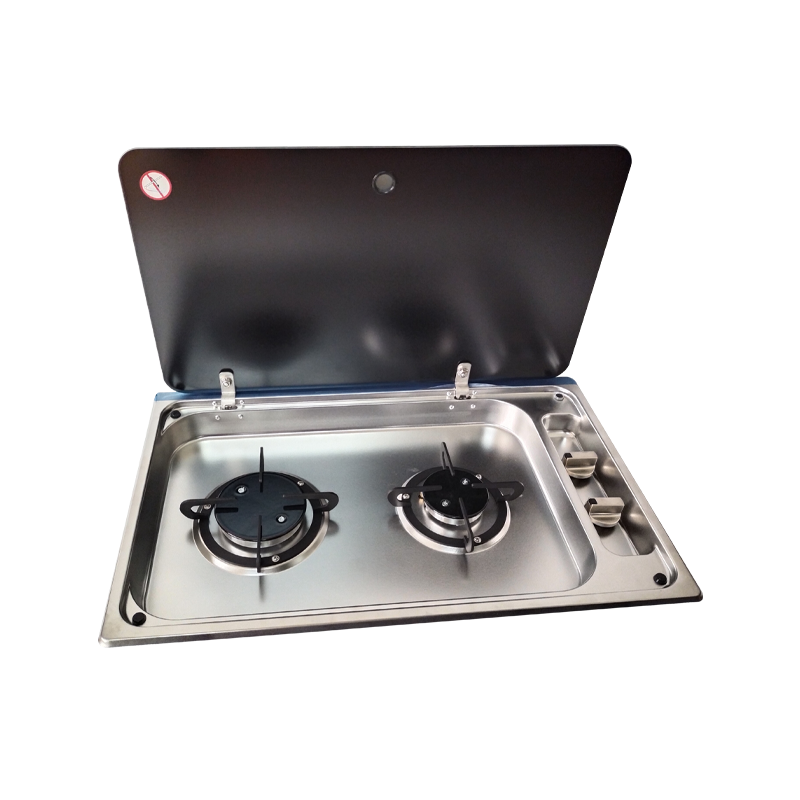
A hob sink combo saves significant counter space, lowers installation costs, and simplifies plumbing and gas line routing by merging two essential kitchen fixtures into a single unit. For small kitchens, RVs, boats, and tiny homes where every inch of surface area matters, this combination is often the most practical way to get a full cooking and washing setup without sacrificing storage or movement space. In many compact layouts, a hob sink combo can free up 20 to 30 percent of usable counter area compared to separate installations, based on common RV and tiny-home cabinetry layouts used by manufacturers in the mobile living industry.
Space Efficiency in Compact Kitchens
The most obvious benefit of a hob sink combo is space savings. In a typical RV galley, counter space is often limited to under two square meters. Combining the cooktop and sink into one unit eliminates the need for two separate cutouts, reducing wasted edge space between fixtures.
Why This Matters for Small Layouts
- Fewer cutouts mean stronger, more stable countertop structure
- One combined unit leaves more room for food prep between uses
- Compact footprint suits galley kitchens, campervans, and studio apartments
For example, a standard Hob Sink Combo used in recreational vehicles typically fits within a 900mm by 500mm cutout, replacing what would otherwise require two separate appliances and roughly 40 percent more surface area.
Lower Installation and Plumbing Costs
Because the hob and sink share a single frame, installation labor and material costs drop noticeably. Plumbers and installers only need to route one set of connections instead of managing two separate cutouts with independent sealing and support requirements.
Cost Comparison Overview
| Setup Type | Average Install Time | Cutouts Required |
| Separate hob and sink | 3 to 5 hours | 2 |
| Hob sink combo unit | 1.5 to 2.5 hours | 1 |
These figures reflect typical labor patterns reported by RV outfitters and mobile kitchen installers, where combined units generally cut installation time roughly in half.
Practical Use Cases
Hob sink combos are most valuable in environments where floor plans are fixed and space cannot be expanded. Below are the settings where this fixture type delivers the clearest advantage.
Recreational Vehicles and Campers
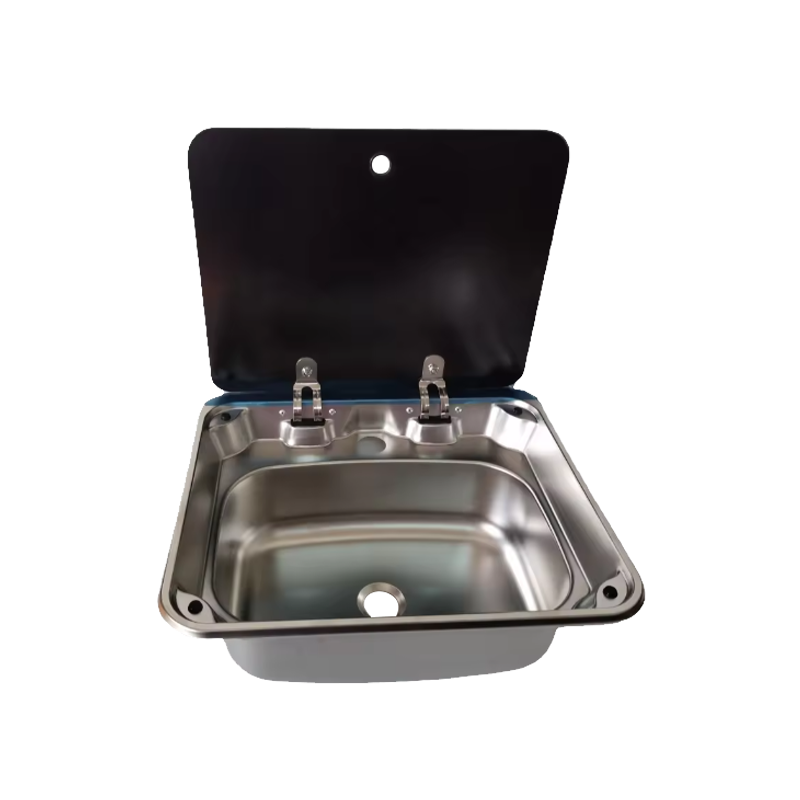
RV galleys benefit the most from combined units because weight distribution and cabinet width are tightly constrained. A compact stainless steel hob sink combo keeps the kitchen functional without adding bulk near the cabin walls, which is a common concern in travel trailers and motorhomes.
Boats and Marine Kitchens
On boats, corrosion resistance and space efficiency are both priorities. Stainless steel combo units resist saltwater exposure better than mixed-material setups and reduce the number of seams where moisture can collect.
Tiny Homes and Studio Apartments
In tiny home construction, kitchen footprint is often limited to under three square meters. A single combined fixture allows designers to preserve counter space for actual meal prep instead of losing it to fixture spacing.
Design Styles and Configurations
Hob sink combos are not limited to one fixed layout. Depending on the kitchen shape and cooking habits, buyers can choose between several configurations, each suited to a different use pattern.
Side by Side Layout
This is the most common configuration, placing the hob on one side and the sink basin on the other within a single stainless steel frame. It works well in galley kitchens where the counter runs in a straight line, giving equal access to both cooking and washing zones.
Corner Configuration
Some combo units are built to fit into an L-shaped counter corner, which is useful in campervans and boats where the cabin walls angle inward. This layout uses corner space that would otherwise be difficult to fit cabinetry into.
Single Basin vs Double Basin
Single basin sinks paired with a two-burner hob are the most space-efficient option for solo travelers or couples, while double basin versions suit larger families who need to wash and rinse separately. The trade-off is that double basin combos require roughly 150mm to 200mm more counter length, according to standard RV cabinetry specifications used by galley fitters.
How to Choose the Right Size
Selecting the correct hob sink combo size depends on available counter length, cabinet depth, and how many burners are needed for daily cooking. Measuring twice before ordering avoids costly returns or cutout rework.
| Kitchen Type | Recommended Unit Length | Typical Burner Count |
| Compact camper van | 700mm to 900mm | 2 burners |
| Travel trailer or motorhome | 900mm to 1200mm | 3 burners |
| Tiny home kitchen | 1000mm to 1400mm | 3 to 4 burners |
These sizing ranges align with common cabinetry standards used across mobile living and small-space kitchen builds, helping buyers match a unit to their existing counter footprint without major structural changes.
Durability and Material Considerations
Most hob sink combos are manufactured from stainless steel, typically 304 grade, which resists rust, scratching, and heat damage from daily cooking use. Stainless steel also simplifies cleaning since the entire surface, including the seam between hob and sink, can be wiped down without concern for water pooling in gaps.
- Check gauge thickness, as 1.0mm to 1.2mm stainless steel offers better dent resistance for mobile use
- Confirm the unit is rated for the fuel type used, such as propane or induction
- Look for undermount or flush-mount sink basins to reduce debris buildup around edges
Common Installation Mistakes to Avoid
Even a well-built hob sink combo can underperform if it is installed incorrectly. Being aware of common errors ahead of time helps avoid rework and long-term damage to surrounding cabinetry.
Skipping Proper Ventilation Clearance
Cooktops need adequate clearance from overhead cabinets or storage. Installing a combo unit too close to upper shelving increases fire risk and can trap heat, which shortens the lifespan of nearby fittings.
Ignoring Water Drainage Angle
The sink basin must be installed with a slight drainage slope toward the outlet. In mobile settings such as RVs, uneven drainage is a leading cause of standing water and unpleasant odors over time.
Using Incompatible Sealant
Standard silicone sealants can degrade quickly near heat sources. Installers should use high-temperature rated sealant around the hob edge to prevent cracking and separation after repeated heating cycles.
Comparing Hob Sink Combo to Traditional Separate Fixtures
While a traditional layout with a separate hob and sink offers slightly more flexibility in positioning, it comes at the cost of space, installation time, and long-term maintenance simplicity. The table below summarizes the core trade-offs.
| Factor | Hob Sink Combo | Separate Fixtures |
| Counter space used | Lower | Higher |
| Installation complexity | Lower | Higher |
| Layout flexibility | Lower | Higher |
| Maintenance points | Fewer | More |
For most compact living spaces, the reduced footprint and simpler upkeep of a combo unit outweigh the minor loss in layout flexibility, which is why the format has become standard in RV and marine galley design.
Maintenance and Long-Term Use
Because a hob sink combo has fewer separate parts and connections, there are fewer points of failure over time. Single-unit designs also mean fewer silicone seals to maintain, which lowers the risk of water damage to surrounding cabinetry, a common issue in RVs and boats where humidity and movement can loosen separate fixture seals over years of use.
Manufacturers of mobile kitchen fixtures generally recommend resealing edge joints every 12 to 18 months in high-humidity environments, though combined units require this maintenance at only one seam location instead of two.
Daily Cleaning Tips
- Wipe stainless steel surfaces with a soft cloth to avoid micro-scratches that trap grime
- Avoid abrasive scouring pads near the hob edge where sealant is applied
- Dry the sink basin fully after use to prevent water spotting near the seam
Who Should Consider a Hob Sink Combo
A hob sink combo is best suited for anyone working with a fixed or limited kitchen footprint rather than a full-size residential kitchen. This includes RV owners, boat owners, tiny home builders, and studio apartment renovators who need reliable cooking and washing capability without dedicating excessive counter space to two separate fixtures.
For larger residential kitchens with ample counter space, separate fixtures may still offer more flexibility in placement. However, for mobile and compact living situations, the space and cost savings of a hob sink combo generally make it the more practical choice.
Can a hob-sink combo improve kitchen efficiency?
Can pallet feet and nesting plugs improve pallet stability?
related products

Send An Inquiry
Don't hesitate to contact when you need us!
Whether you want to become our partner or need our professional guidance or support in product selections and problem solutions, our experts are always ready to help within 12 hours globally
contact Us
Phone: +86 18157484296
FAX: +86 574-86150176
E-mail: [email protected]
Address: Unit 2, Building 19, Zhichuangzhizao Park, Chengdong Industrial Zone, Xiangshan, Ningbo,315705, Zhejiang, China
Product Category
Mobile