中文简体
中文简体 Español
Home / Resources / Industry News / What Benefits Do Pallet Feet & Nesting Plugs Offer for Warehousing?
Industry News
May 29,2026
What Benefits Do Pallet Feet & Nesting Plugs Offer for Warehousing?
Content
- 1 Understanding Pallet Feet and Nesting Plugs: What They Are
- 2 Space Efficiency: Maximizing Storage Density for Empty Pallets
- 3 Transport Efficiency: Reducing Return Logistics Costs
- 4 Structural Support: How Pallet Feet Enhance Load Stability
- 5 Safety Benefits for Warehouse Personnel and Equipment
- 6 Floor Protection and Reduced Maintenance Costs
- 7 Operational Flexibility: Adaptable to Multiple Warehouse Configurations
- 8 Hygiene and Compliance Advantages
- 9 Total Cost of Ownership: The Economic Case for the System
- 10 Sustainability Benefits: Reducing Environmental Impact
- 11 Selecting the Right Pallet Feet and Nesting Plug Combination
Pallet feet and nesting plugs deliver measurable improvements to warehousing operations by converting flat-deck sheet pallets into fully stackable, forklift-compatible storage units while enabling empty pallets to nest compactly for return logistics. Together, these two components address the two most persistent inefficiencies in pallet management: wasted vertical storage space when pallets are loaded, and wasted floor and transport space when pallets are empty. Facilities that deploy pallet feet with compatible nesting plugs consistently report 30–50% improvements in empty pallet storage density and significant reductions in handling time, floor damage, and total pallet lifecycle costs.
Understanding Pallet Feet and Nesting Plugs: What They Are
Before examining their benefits, it is worth establishing what each component does and how they work together as a system.
Pallet Feet
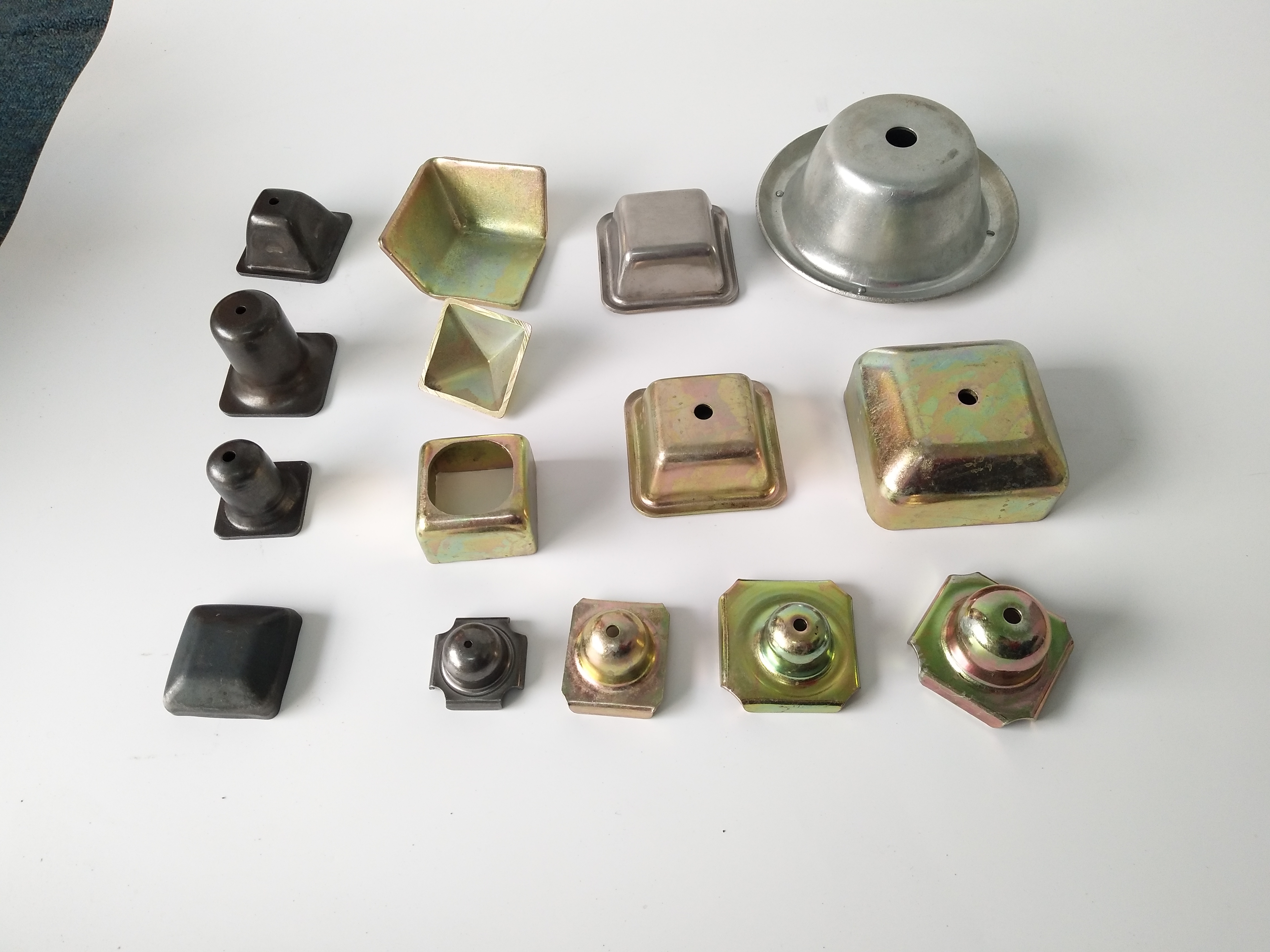
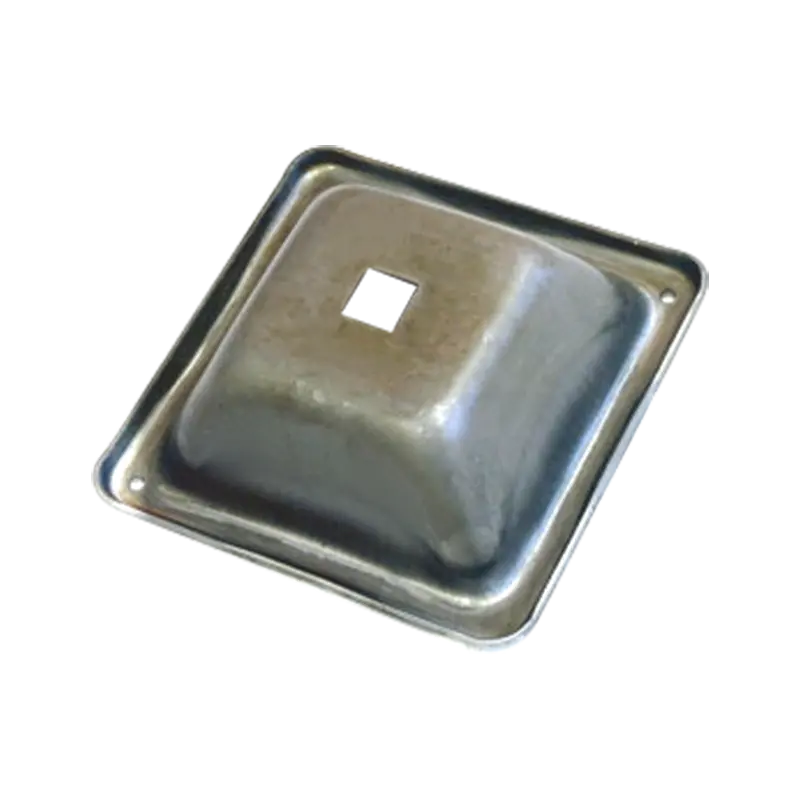
Pallet feet are structural supports — typically fabricated from steel, galvanized metal, or heavy-duty plastic — that are fixed to the underside corners (and sometimes center) of a flat-deck sheet pallet. They serve two primary functions: elevating the pallet deck to create the fork entry clearance needed for forklift and pallet jack operation, and bearing the full static and dynamic load of the pallet and its contents. Standard foot heights range from 100 mm to 150 mm, with load ratings from 1,000 kg to 3,000+ kg per pallet depending on material and geometry.
Nesting Plugs
Nesting plugs (also called stacking plugs or plug-in inserts) are removable components — typically molded from high-density polyethylene (HDPE) or polypropylene — that insert into the hollow interior of tubular or box-section pallet feet. When plugs are inserted, the top of each foot becomes a recessed socket. An empty pallet placed on top engages its feet into these sockets, nesting the upper pallet securely within the lower one. This nesting action dramatically reduces the stacked height of empty pallets and prevents lateral movement during storage and transport.
The two components work as an integrated system: pallet feet define the structural platform for loaded use, and nesting plugs transform that same platform into an efficient, compact return stack when empty.
Space Efficiency: Maximizing Storage Density for Empty Pallets
Empty pallet management is a hidden cost in most warehouse operations. When empty pallets are stacked without a nesting system, the full foot height of each pallet adds to the stack — meaning a 150 mm foot height multiplied across 10 pallets produces a stack 1.5 meters tall from feet alone, before accounting for deck thickness. In facilities with standard 6–8 meter clear heights, this limits empty pallet stacks to 8–12 units before reaching safe stacking limits or racking constraints.
With nesting plugs engaged, each empty pallet drops into the one below, reducing the incremental height per pallet to 30–50 mm (the exposed deck thickness above the nested foot). The same 6-meter clear height that accommodated 12 non-nested pallets can now hold 40–60 nested pallets — a storage density improvement of more than 300% in vertical space utilization.
In practical terms, this means a facility that previously needed four floor positions to store 40 empty pallets can consolidate them into a single position — freeing three floor positions for productive storage of loaded goods.
Transport Efficiency: Reducing Return Logistics Costs
For businesses operating pallet pools or managing empty pallet returns between distribution centers and suppliers, transport costs for empties represent a significant operational expense. The nesting capability enabled by nesting plugs directly reduces the number of vehicle loads required to return empty pallets.
A standard 13.6-meter trailer with a 2.7-meter internal load height can accommodate approximately:
- Without nesting: 8–10 pallets high per stack position, limited by foot-on-deck compression risk and vehicle height — approximately 200–250 pallets per trailer load.
- With nesting plugs engaged: 30–40 pallets per stack position within the same vehicle height — potentially 700–1,000 pallets per trailer load, depending on pallet footprint and vehicle configuration.
This 3–4x improvement in transport density can reduce the number of empty pallet return trips by a corresponding factor, delivering substantial savings in fuel, driver time, vehicle wear, and CO₂ emissions per pallet returned.
Structural Support: How Pallet Feet Enhance Load Stability
Beyond the empty pallet storage benefits, pallet feet fundamentally improve the structural performance of flat-deck pallets in active use.
Consistent Fork Entry Clearance
Flat-deck pallets without feet cannot be accessed by standard forklifts or pallet jacks without auxiliary lifting equipment. Pallet feet — when manufactured to consistent dimensional tolerances — provide reliable fork entry gaps that remain stable throughout the pallet's service life. The foot height must maintain a minimum clearance of 100 mm for pallet jack compatibility and ideally 120–150 mm for forklift operations on floors with minor surface irregularities. Metal feet maintain these dimensions without the compression creep that affects plastic block alternatives under sustained load.
Point Load Distribution
When a loaded pallet sits directly on a warehouse floor, the entire load is distributed across the pallet deck's contact area with the floor. Pallet feet concentrate this load into three or four defined contact points with larger individual footprints, which paradoxically improves the distribution of load onto racking systems and floor surfaces. In racking, this enables the pallet to sit correctly on beam rails without deck deflection affecting load stability.
Improved Air Circulation Under Loads
The gap created by pallet feet between the floor and the pallet deck allows air to circulate freely beneath stored goods. This is particularly valuable in cold storage and refrigerated warehouses where airflow under pallets is required to maintain consistent product temperature across the full pallet height. In ambient warehouses, the gap also reduces moisture accumulation under pallets storing hygroscopic goods.
Safety Benefits for Warehouse Personnel and Equipment
Both pallet feet and nesting plugs contribute directly to a safer warehouse environment in several ways.
- Stable loaded pallet stacking: Metal pallet feet support secure multi-level stacking of loaded pallets where racking is not available. Well-designed feet provide a stable bearing surface for the pallet above, preventing loaded stack collapse — a leading cause of serious warehouse injuries.
- Prevention of empty pallet sliding and toppling: Without nesting plugs, stacked empty pallets are prone to lateral sliding, particularly when disturbed by forklift air wash or vibration. Nesting plugs lock each pallet into position, preventing uncontrolled collapse of empty pallet stacks that can injure nearby personnel.
- Reduced manual handling risk: Compact nested empty pallet stacks are more easily managed by forklift. Spreading empty pallets across many small stacks — as occurs without nesting — requires more individual forklift movements in congested areas, increasing collision risk.
- Consistent pallet engagement: Dimensionally stable metal feet ensure forklifts engage pallets reliably every time, reducing the risk of partial engagement that can cause loads to tip during lifting.
Floor Protection and Reduced Maintenance Costs
Warehouse floor surfaces — typically sealed or epoxy-coated concrete — represent a significant capital investment and are costly to repair. Both pallet feet and nesting plugs contribute to floor protection in complementary ways.
Metal pallet feet with rubber or HDPE base pads distribute the loaded pallet's weight across a defined contact area, reducing point pressure on the floor surface. A 1,000 kg load on a pallet with four feet, each having a base area of 150 cm², exerts a pressure of approximately 1.7 kg/cm² — well within the tolerance of standard industrial concrete floors rated at 3–5 kg/cm². Without feet, a flat-deck pallet concentrates load unevenly along deck edges, which can chip sealed floor surfaces over time.
Nesting plugs protect floors indirectly by reducing the number of times empty pallets are moved across the floor surface. Each unnecessary forklift trip with an empty pallet — caused by poorly managed empty pallet stacks — involves wheel contact, turning, and load set-down events that accumulate floor wear. Fewer trips mean less floor abrasion and a longer interval between resurfacing cycles.
Operational Flexibility: Adaptable to Multiple Warehouse Configurations
One of the practical advantages of the pallet feet and nesting plug system is its adaptability across different warehouse configurations and operational modes.
| Operational Context | Pallet Feet Role | Nesting Plugs Role | Key Benefit |
|---|---|---|---|
| Standard racking storage | Support pallet on beam rails | Not engaged (loaded use) | Full racking compatibility |
| Floor block stacking | Enable safe multi-level stacking | Not engaged (loaded use) | Eliminates need for racking |
| Empty pallet storage | Provide nesting socket geometry | Lock pallets in nested position | 3x+ storage density improvement |
| Return transport | Define nesting depth | Prevent shifting in transit | 3–4x more pallets per vehicle |
| Cold storage operations | Enable under-pallet airflow | Compact empty pallet storage in limited cold store space | Temperature consistency and space savings |
Hygiene and Compliance Advantages
In food, beverage, pharmaceutical, and healthcare warehousing, hygienic pallet design is a regulatory and quality assurance requirement rather than a preference. Pallet feet and nesting plugs contribute to hygiene compliance in several ways:
- Non-porous metal feet do not absorb moisture, bacteria, or contamination the way wooden pallet blocks do, supporting HACCP compliance and GMP-aligned warehouse environments.
- Elevation above floor level allows cleaning equipment to access beneath pallets during washdown cycles, preventing the accumulation of spilled product, dust, and pest activity in pallet contact zones.
- HDPE nesting plugs are manufactured from food-safe, non-toxic polymer and can be removed, cleaned, and reinserted — eliminating the contamination risk associated with permanently embedded wooden block inserts that absorb chemical and biological material over time.
- No splinter or fragment risk — metal feet and plastic plugs generate no fibrous debris that could contaminate open-process food or pharmaceutical products stored in the same area.
Total Cost of Ownership: The Economic Case for the System
The combination of pallet feet and nesting plugs delivers economic benefits across multiple cost categories simultaneously, making the business case compelling even when the upfront component cost exceeds simpler alternatives.
Reduced Pallet Replacement Frequency
Metal pallet feet on a steel or aluminium sheet pallet platform have a typical service life of 10–20 years under normal warehouse conditions. Individual nesting plugs — the highest-wear component — can be replaced independently when damaged without scrapping the entire pallet, at a fraction of the full pallet cost. This modular repairability dramatically reduces the annualized capital cost of pallet fleet ownership.
Reduced Labour for Empty Pallet Management
Consolidating empty pallets into compact nested stacks reduces the number of forklift movements required to manage the empty pallet inventory. In a facility handling 500 empty pallets per day, reducing the average number of movements per pallet from 3 to 1.5 through better nesting and stack management could save 750 forklift movements daily — translating to significant direct labour cost savings and improved productivity.
Recovered Floor Space Value
Warehousing floor space in major distribution markets is valued at £80–£200+ per square meter per year (varying significantly by location and specification). Every floor position freed by more efficient empty pallet storage through nesting represents a quantifiable revenue opportunity — either through additional productive storage or avoidance of facility expansion costs.
Sustainability Benefits: Reducing Environmental Impact
The nesting plug and pallet feet system supports sustainability objectives that are increasingly important in corporate environmental strategies and supply chain carbon reporting:
- Fewer return transport trips: A 3–4x improvement in empty pallet transport density means proportionally fewer vehicle journeys, reducing fuel consumption and transport CO₂ emissions per pallet returned.
- Longer pallet service life: Reducing pallet replacement frequency lowers the embedded carbon associated with manufacturing new pallets and disposing of old ones across the fleet's lifetime.
- Recyclable materials: Steel pallet feet and HDPE nesting plugs are both highly recyclable at end of service life — steel with a global recycling rate exceeding 85% and HDPE accepted in industrial plastics recycling streams.
- Elimination of timber pallet waste: Metal pallet systems with nesting plugs avoid the recurring timber waste associated with wooden pallet fleets that must be repaired or disposed of when blocks split, rot, or become pest-infested.
Selecting the Right Pallet Feet and Nesting Plug Combination
Maximizing the benefits of this system requires matching the specification of both components to the specific demands of the warehousing operation. Key selection criteria include:
- Foot material and finish: Galvanized steel for general and outdoor use; stainless steel Grade 304 or 316 for food, pharmaceutical, and hygienic environments; powder-coated mild steel for dry indoor warehousing only.
- Foot height: Minimum 100 mm for pallet jack access; 120–150 mm for forklift operations and racking systems with beam tolerance requirements. Taller feet provide deeper nesting engagement and better empty pallet stack stability.
- Number of feet per pallet: Three-foot configurations (two at one end, one centered at the other) are standard for most flat-deck pallets; four-corner configurations maximize stability for asymmetric or point-loaded cargo.
- Nesting plug material: HDPE plugs for general use; food-grade HDPE or stainless steel inserts for hygienic environments. Confirm the plug outer diameter matches the inner diameter of the foot profile precisely to prevent loose engagement.
- Nesting depth: The depth to which the upper pallet's feet engage into the lower pallet's plugs determines the compaction ratio. Greater nesting depth (achieved with taller feet and deeper plugs) produces greater stacking density for empty pallets.
- Load rating compatibility: Ensure the foot's static load rating covers the maximum anticipated pallet load with a suitable safety factor — typically a minimum safety factor of 2:1 on the rated capacity is recommended for dynamic warehouse environments.
related products
Send An Inquiry
Don't hesitate to contact when you need us!
Whether you want to become our partner or need our professional guidance or support in product selections and problem solutions, our experts are always ready to help within 12 hours globally
contact Us
Phone:+86 139-5824-9488
FAX :+86 574-86150176
E-mail: [email protected] [email protected]
Address: Unit 2, Building 19, Zhichuangzhizao Park, Chengdong Industrial Zone, Xiangshan, Ningbo,315705, Zhejiang, China
Product Category
Mobile