中文简体
中文简体 Español
Industry News
Jun 12,2026
Why Choose Pallet Feet & Nesting Plugs?
Content
- 1 What Pallet Feet and Nesting Plugs Actually Do
- 2 The Space-Saving Advantage of Nesting Pallets
- 3 Structural Load Capacity and Pallet Rigidity
- 4 Compatibility with Automated Handling and Conveyor Systems
- 5 Extended Pallet Service Life and Total Cost of Ownership
- 6 Hygiene, Cleanability, and Regulatory Compliance
- 7 Warehouse Safety Improvements
- 8 Applications Across Industries
- 9 Environmental and Sustainability Benefits
- 10 What to Specify When Choosing Pallet Feet and Nesting Plugs
- 11 Comparing Nestable Pallet Systems to Conventional Alternatives
Pallet feet and nesting plugs are worth choosing because they directly reduce storage space, lower shipping costs, extend pallet service life, and improve warehouse safety — all without requiring a complete redesign of your logistics infrastructure. These two components work together to transform a standard flat-sheet pallet into a stackable, space-efficient, and structurally reinforced platform that performs reliably under the repeated demands of industrial supply chains.
At Ningbo Dasheng Metal Products Co., Ltd, we specialize in metal stamping, deep drawing, and welding for precision components across a wide range of industries. Pallet feet and nesting plugs are among the components we manufacture to exact customer specifications, giving us a detailed understanding of what makes these parts perform — and what separates a well-made component from one that fails prematurely under load. The following analysis explains the practical case for choosing pallet feet and nesting plugs in any operation that depends on efficient, durable palletized logistics.
What Pallet Feet and Nesting Plugs Actually Do
Before examining why these components are worth choosing, it is useful to understand precisely what they are and how they function together in a pallet system.
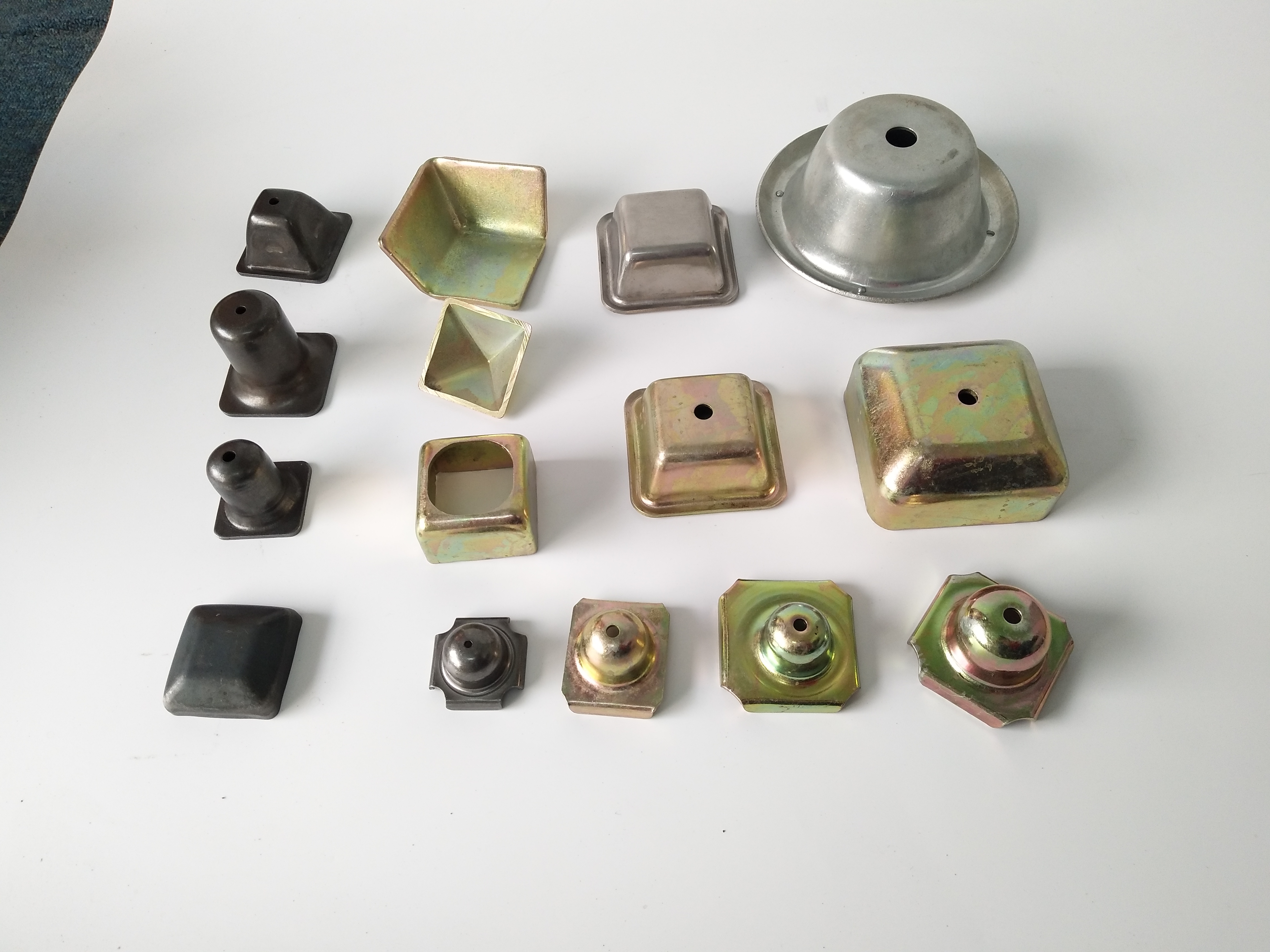
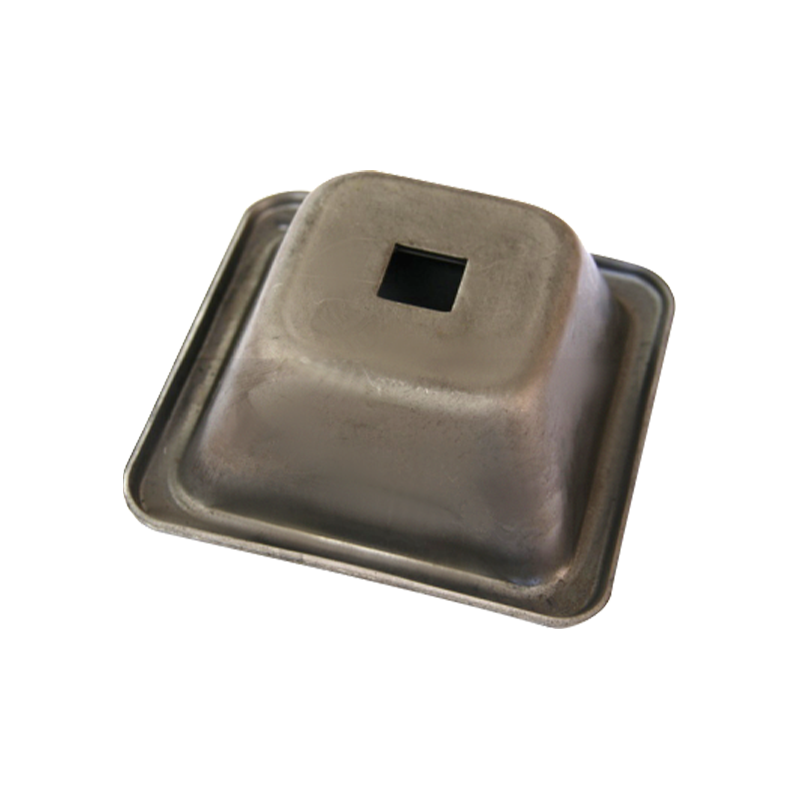
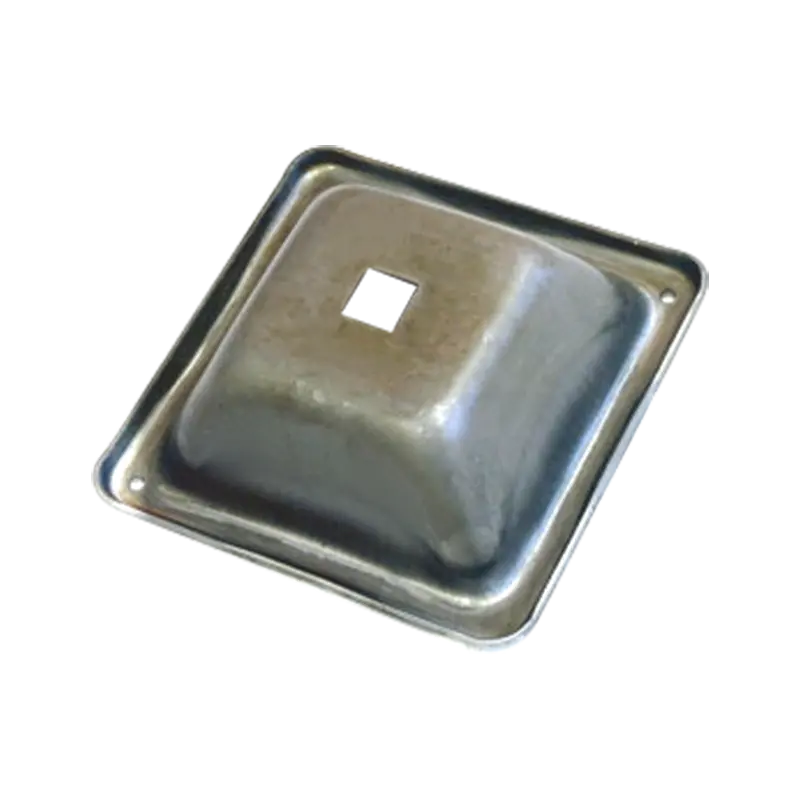
Pallet feet are structural inserts — typically made from pressed steel, stamped metal, or high-density plastic — that are fixed to the underside corners and edges of a sheet pallet deck. They elevate the pallet surface off the floor, creating the clearance necessary for forklift tines and pallet jack entry. They also bear the compressive load of stacked goods and transfer that load to the floor or the pallet below in a stacking configuration.
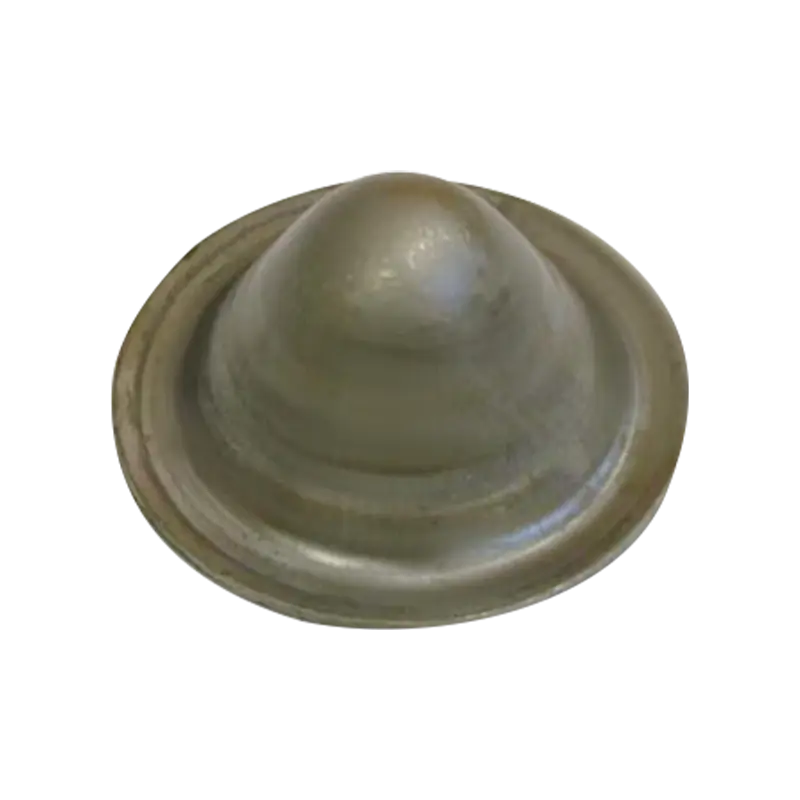
Nesting plugs are precision-formed inserts that fit into the open top of each pallet foot. When empty pallets are stacked for storage or return transport, the nesting plugs on the upper pallet seat into the feet of the pallet below, locking the stack into alignment and preventing lateral shifting. This interlocking action is what enables controlled, stable nesting — a feature that distinguishes nestable pallet systems from conventional block or stringer pallets.
Together, these two components define the performance characteristics of a nestable pallet: its load-bearing capacity, its stacking ratio, its dimensional stability, and its compatibility with automated handling equipment.
The Space-Saving Advantage of Nesting Pallets
The most immediately quantifiable benefit of choosing pallet feet and nesting plugs is the dramatic reduction in storage volume for empty pallets. In conventional logistics operations, empty pallets occupy a substantial amount of warehouse floor space and return-shipping volume. A standard wooden block pallet is approximately 150 mm tall, meaning a stack of 10 pallets occupies 1,500 mm of vertical space. A well-designed nestable pallet system with precision-formed feet and nesting plugs can reduce the stacking increment to as little as 30–50 mm per additional pallet.
In practical terms, this means that a space capable of storing 10 conventional pallets can accommodate 30 to 50 nestable pallets in the same footprint. For operations managing thousands of pallet movements per month, this difference translates into measurable reductions in warehouse lease costs, handling labor for empty pallet management, and return freight expenses.
Impact on Return Logistics
Return logistics — the movement of empty pallets from delivery destinations back to distribution centers or manufacturing facilities — is a significant cost center in closed-loop supply chains. When pallets nest tightly due to well-fitted feet and plugs, a single truck that previously carried 20 empty conventional pallets can carry 60 to 100 nestable pallets in the same load space. This reduction in return trips directly lowers fuel costs, driver hours, and carbon emissions per pallet cycle.
Structural Load Capacity and Pallet Rigidity
Pallet feet are not passive spacers — they are structural components that determine how much load a pallet can carry safely. The geometry, wall thickness, material grade, and manufacturing precision of each foot directly govern the pallet's static load capacity (weight it can bear while stationary on the floor), dynamic load capacity (weight it can carry while being moved by a forklift), and racking capacity (weight it can support when its ends are unsupported on racking beams).
Metal pallet feet — particularly those produced by deep drawing or precision stamping — offer significant advantages over molded plastic feet in high-load applications. Pressed steel feet maintain their geometry under compressive stress, do not creep over time under sustained load, and resist deformation in temperature extremes. A correctly specified steel pallet foot can support static loads exceeding 5,000 kg per pallet when properly distributed across four or six contact points.
| Foot Material | Typical Static Load Capacity | Temperature Range | Creep Under Sustained Load | Recyclability |
|---|---|---|---|---|
| Pressed Steel | 3,000 – 6,000+ kg | -40°C to +300°C | None | 100% |
| High-Density Polyethylene | 1,000 – 2,500 kg | -30°C to +80°C | Moderate | Partial |
| Polypropylene | 800 – 2,000 kg | -20°C to +100°C | Moderate | Partial |
| Aluminum Alloy | 2,000 – 4,000 kg | -50°C to +200°C | None | 100% |
How Nesting Plugs Contribute to Structural Stability
Nesting plugs are not simply alignment aids — when correctly dimensioned and manufactured to tight tolerances, they add measurable rigidity to the pallet deck assembly. A plug that fits precisely into the foot cavity distributes lateral forces across the foot's full cross-section rather than concentrating stress at the attachment point between the foot and the deck. This reduces the risk of foot delamination or pull-through failure under side-loading conditions, which occur regularly during forklift handling and truck transport.
Compatibility with Automated Handling and Conveyor Systems
Modern warehouse and distribution operations increasingly rely on automated handling systems — conveyor lines, sortation equipment, automated storage and retrieval systems (AS/RS), and robotic picking cells. These systems impose strict dimensional requirements on the pallets they handle. A pallet with inconsistently formed feet, warped profiles, or imprecise nesting plug positions will jam conveyors, misalign with sensor arrays, and fail pick-and-place cycles.
Precision-manufactured pallet feet and nesting plugs ensure that every pallet in a fleet maintains consistent dimensional tolerances — typically within ±1 mm for critical interface dimensions in automated applications. This consistency is only achievable through controlled manufacturing processes. At Ningbo Dasheng Metal Products Co., Ltd, our stamping and deep drawing operations are conducted with tooling precision and quality checks that guarantee dimensional repeatability across large production runs, ensuring that each foot and plug performs identically regardless of production batch.
Forklift and Pallet Jack Entry Clearance
Pallet feet must provide adequate ground clearance for forklift tine entry and pallet jack wheel travel. The industry standard minimum clearance for pallet jack entry is 95 mm, while many forklift applications require 100–120 mm of clearance. Feet that deform or compress under load reduce this clearance, making the pallet increasingly difficult to handle safely and eventually incompatible with standard equipment. Quality metal feet maintain their specified height throughout the pallet's service life, preserving handling compatibility from the first use to the last.
Extended Pallet Service Life and Total Cost of Ownership
The decision to choose high-quality pallet feet and nesting plugs is fundamentally an investment in pallet longevity. The feet are the most mechanically stressed component of any pallet — they absorb impact during handling, bear compressive loads during storage, and experience cyclic fatigue during transport. A pallet with poorly manufactured feet degrades rapidly: feet crack, deform, or detach, compromising the pallet's load capacity and safety long before the deck itself reaches the end of its useful life.
In a closed-loop pallet pool operating at high cycle rates, the difference between feet designed for 50 cycles and feet engineered for 200+ cycles is the difference between replacing the pallet fleet four times or once over the same period. When the capital cost of a quality pallet is spread across 200 cycles rather than 50, the per-cycle cost drops to a fraction — even if the initial purchase price of the higher-quality pallet is two or three times greater.
Repairability as a Cost Management Strategy
One of the underappreciated advantages of metal pallet feet over molded plastic alternatives is repairability. When a metal foot is damaged, it can in many cases be removed and replaced without discarding the entire pallet. This modular approach to maintenance — replacing only the failed component — extends the useful life of the pallet deck and reduces scrap generation. Plastic feet, once cracked or structurally compromised, typically cannot be repaired and require complete pallet replacement.
Hygiene, Cleanability, and Regulatory Compliance
In food and beverage, pharmaceutical, and medical device supply chains, pallet hygiene is a regulatory requirement, not a preference. Wood pallets — the most commonly used pallet type globally — are inherently porous and difficult to fully sanitize. They absorb moisture, harbor mold and bacteria, and can transfer contaminants to packaged goods. Sheet pallets with metal or smooth-plastic feet address this problem directly: the non-porous surfaces can be pressure-washed, steam-cleaned, and chemically sanitized to the standards required by food safety and pharmaceutical regulatory frameworks.
Metal pallet feet in particular offer full cleanability without material degradation. Unlike plastic, which can absorb cleaning chemicals over time and become brittle, stainless steel or galvanized steel feet maintain their structural and surface integrity through repeated high-temperature washing cycles. This makes them the material of choice for closed-loop pallet systems serving food processing facilities, clean-room environments, and pharmaceutical distribution centers.
ISPM 15 and Phytosanitary Compliance
International trade regulations under ISPM 15 (International Standards for Phytosanitary Measures) require wood pallets used in cross-border shipments to be heat-treated or fumigated to prevent the spread of invasive insects and plant diseases. Sheet pallets fitted with metal or plastic feet are exempt from ISPM 15 requirements because they contain no raw wood. For exporters making frequent international shipments, this exemption eliminates the cost and administrative burden of ISPM 15 compliance — a meaningful operational advantage that compounds over high shipment volumes.
Warehouse Safety Improvements
Pallet safety failures — collapsed stacks, tipping loads, and handling accidents caused by damaged pallets — are a significant source of workplace injuries in warehousing and logistics. The consistent geometry provided by precision pallet feet and nesting plugs contributes to safety in several direct ways.
- Stable stacking: Nesting plugs that engage positively with feet on the pallet below lock the stack against lateral displacement, reducing the risk of a loaded pallet shifting or tipping during storage or transport.
- Predictable load bearing: Feet that maintain their specified geometry under load give forklift operators and warehouse planners confidence that a pallet will behave as designed — no unexpected foot compression that lowers clearance or tilts the load.
- No splinter or nail hazards: Unlike wooden pallets, which can develop broken boards, protruding nails, and splinters that injure workers and damage goods packaging, metal-footed sheet pallets present a clean, uniform surface throughout their service life.
- Fire resistance: Metal feet do not contribute to fire spread in warehouse environments. In facilities storing flammable goods, reducing the combustibility of pallet materials is a meaningful risk management measure.
- Reduced handling incidents: Empty pallet stacks that nest securely are easier to handle as a unit, reducing the number of individual handling operations required and the associated risk of injury.
Applications Across Industries
Pallet feet and nesting plugs are not niche components limited to a single industry — they appear across a wide spectrum of sectors wherever efficient, hygienic, or high-cycle pallet handling is required. Understanding where they are most commonly deployed helps clarify which operational characteristics matter most in each context.
| Industry | Primary Benefit | Key Requirement | Preferred Foot Material |
|---|---|---|---|
| Food & Beverage | Hygiene & cleanability | Washdown resistance | Stainless steel |
| Pharmaceutical | Contamination control | Clean-room compatibility | Stainless steel / HDPE |
| Automotive | High load capacity | Heavy-duty stamped steel | Pressed steel |
| Retail Distribution | Space efficiency in returns | Low nesting increment | Steel or HDPE |
| Cold Chain / Frozen | Performance at low temperatures | Cold-temp material integrity | Galvanized steel |
| E-commerce / Fulfillment | Automation compatibility | Tight dimensional tolerances | Pressed steel or aluminum |
Across all of these sectors, the common thread is that pallet feet and nesting plugs are chosen not as accessories but as performance-defining components. The specific material and dimensional specification chosen for each application reflects the particular demands of that environment — load weight, temperature range, hygiene standard, and handling equipment type.
Environmental and Sustainability Benefits
Choosing nestable pallet systems with quality feet and plugs carries meaningful environmental advantages over conventional wooden pallet operations. The space efficiency of nesting translates directly into fewer return transport movements, which reduces fuel consumption and associated carbon emissions. Operations that achieve a 3:1 nesting ratio — three nestable pallets occupying the space of one conventional pallet — can theoretically reduce return transport truck movements by two-thirds for the same number of pallet cycles.
Metal pallet feet have an additional sustainability advantage: they are fully recyclable at end of life. Steel and aluminum feet can be melted down and reprocessed into new metal products with no degradation in material quality. This closed-loop recyclability contrasts sharply with wooden pallets, which, once beyond repair, typically end up as low-value wood chips or in landfill, and with most plastic pallet components, which have limited recycling pathways in practice.
The longer service life of quality metal feet also reduces the manufacturing energy and resource consumption associated with producing replacement components. A pressed steel pallet foot engineered to last through 200+ pallet cycles represents a much lower cradle-to-grave resource expenditure per functional unit than a plastic foot replaced after 50 cycles — even accounting for the higher energy input required to produce metal versus plastic components.
What to Specify When Choosing Pallet Feet and Nesting Plugs
Selecting the right pallet feet and nesting plugs for a specific application requires attention to several interconnected specifications. Choosing based on price alone — without considering the dimensional, material, and performance requirements of the application — is one of the most common causes of premature pallet failure and unexpected operational disruption.
The key parameters to define before specifying pallet feet and nesting plugs include:
- Required load capacity: Define the maximum static, dynamic, and racking loads the pallet will experience. This determines the minimum material gauge and foot geometry required.
- Operating temperature range: Cold chain, ambient, or high-temperature environments each impose different material requirements. Steel performs across the widest temperature range; certain plastics become brittle below -20°C.
- Foot height and ground clearance: Specify the clearance needed for the handling equipment in use. Standard ranges are 95–120 mm for most forklifts and pallet jacks.
- Nesting increment target: Define how tightly empty pallets need to nest. A lower nesting increment requires tighter manufacturing tolerances on both the foot and the plug.
- Surface finish and corrosion protection: For food, pharmaceutical, or wet environments, specify the appropriate corrosion protection — stainless steel, electro-galvanized, hot-dip galvanized, or powder-coated steel.
- Attachment method to deck: Feet may be welded, bolted, riveted, or mechanically locked to the pallet deck. The attachment method affects assembly cost, repairability, and structural integrity under shear loading.
- Dimensional tolerances for automation: If the pallet will be handled by automated equipment, specify the maximum permissible dimensional variation on all critical interface dimensions.
At Ningbo Dasheng Metal Products Co., Ltd, our team works directly with customers to translate these operational requirements into precise component specifications. From material selection and tooling design to production and quality verification, we apply our expertise in metal stamping, deep drawing, and welding to ensure that every pallet foot and nesting plug we manufacture meets the exact requirements of its intended application — with the dimensional consistency and material quality that industrial pallet operations demand.
Comparing Nestable Pallet Systems to Conventional Alternatives
For operations currently using conventional wooden or block pallets, a direct comparison across the key performance dimensions helps make the case for transitioning to a nestable system with quality metal feet and plugs.
| Performance Dimension | Conventional Wood Pallet | Nestable Pallet with Metal Feet |
|---|---|---|
| Empty stacking ratio | 1:1 (no reduction) | Up to 1:5 or better |
| Hygiene / cleanability | Poor (porous, absorbs moisture) | Excellent (non-porous, washable) |
| ISPM 15 compliance required | Yes (heat treatment / fumigation) | No (exempt) |
| Service life (typical cycles) | 15 – 40 cycles | 100 – 300+ cycles |
| Dimensional consistency | Variable (warping, swelling) | Consistent (precision-formed) |
| Automation compatibility | Limited | High |
| End-of-life recyclability | Low-value wood chip / landfill | 100% metal recycling |
This comparison makes clear that the choice of pallet feet and nesting plugs is not simply a component decision — it is a system decision that determines how the entire pallet performs across its service life. The quality of the feet and plugs sets the ceiling on what the pallet system can achieve, and investing in precision-manufactured components from the outset is the most reliable way to realize the full operational, financial, and environmental benefits that nestable pallet technology offers.
How Do Pallet Feet & Nesting Plugs Improve Stackability?
What are the advantages of stainless steel sinks?
related products
Send An Inquiry
Don't hesitate to contact when you need us!
Whether you want to become our partner or need our professional guidance or support in product selections and problem solutions, our experts are always ready to help within 12 hours globally
contact Us
Phone:+86 139-5824-9488
FAX :+86 574-86150176
E-mail: [email protected] [email protected]
Address: Unit 2, Building 19, Zhichuangzhizao Park, Chengdong Industrial Zone, Xiangshan, Ningbo,315705, Zhejiang, China
Product Category
Mobile