中文简体
中文简体 Español
Home / Resources / Industry News / 316 Stainless Steel Pool Handrail: Grade, Fabrication, and Custom Guide
Industry News
Sep 17,2026
316 Stainless Steel Pool Handrail: Grade, Fabrication, and Custom Guide
Content
Stainless steel pool handrails are expected to resist chlorine, saltwater, sunscreen, and daily contact without staining the user's hands. In that environment, 316 stainless steel is the grade most often recommended by experienced fabricators because it includes molybdenum, which increases resistance to pitting and crevice corrosion. A handrail made from 304 may last for years in mild water, but 316 reduces the risk of early corrosion and keeps the rail easier to maintain for a longer period.
The main difference is metallurgical. 316 contains around 16 to 18 percent chromium and 10 to 14 percent nickel, plus 2 to 3 percent molybdenum. The molybdenum makes 316 more stable when chlorides are present, especially at the waterline, around weld areas, and under mounting hardware. That is why many swimming pool and marine specifications call for 316 rather than 304.
Pitting resistance does not depend only on visual quality. It depends on the alloy balance and the way the part is formed. A fabricator that understands material behavior can also avoid design mistakes, such as leaving sharp edges, overworking the material, or choosing a mounting plate that creates a hidden water trap.
The radar chart compares typical selection factors for 316 and 304 in pool handrail applications. A larger polygon means a stronger overall fit for that property. 316 scores clearly better in chloride resistance and surface finish stability. 304 scores slightly better in cost efficiency and weldability. Strength is very close because both grades are austenitic stainless steels. The chart is not a substitute for a metallurgical test, but it helps buyers understand why fabricators recommend 316 for pool handrails.
| Property | 304 | 316 |
|---|---|---|
| Molybdenum | Not added | 2 to 3 percent |
| Chloride resistance | Good for mild water | Better for pools and saltwater |
| Typical pool use | Indoor freshwater areas | Coastal pools and treated water |
| Fabrication response | Easy to bend and weld | Similar, with slightly higher work hardening |
| Initial cost | Lower | Higher but lower maintenance risk |
How a Custom Pool Handrail Is Designed and Fabricated
A swimming pool handrail is not always a shelf item. Steps, ramps, deck angles, and mounting surfaces vary, and a rail that fits one opening often looks wrong in another. Custom fabrication starts with a drawing, a sample, or a set of measured dimensions and converts those into formed and welded components. This is where a sheet metal stainless steel stamped and deep drawn parts supplier can help because the company can handle cutting, forming, welding, and finishing in one workflow.
Most pool handrails combine three types of metalwork: tubular sections for the rail, stamped flanges for deck mounting, and small brackets for wall fixing. A good fabricator chooses the tube outer diameter, wall thickness, bend radius, and flange stiffness together. If the wall is too thin, the rail flexes under load. If the bend radius is too tight, the outside of the tube becomes thin and may crack. If the flange is too small, the anchor bolts carry more stress.
It also helps to work with a manufacturer that owns its tooling and press equipment. In-house die development shortens lead time and gives the buyer more control over tolerances. For a custom order, the fabricator can make the first article, measure it, and adjust the process before full production.
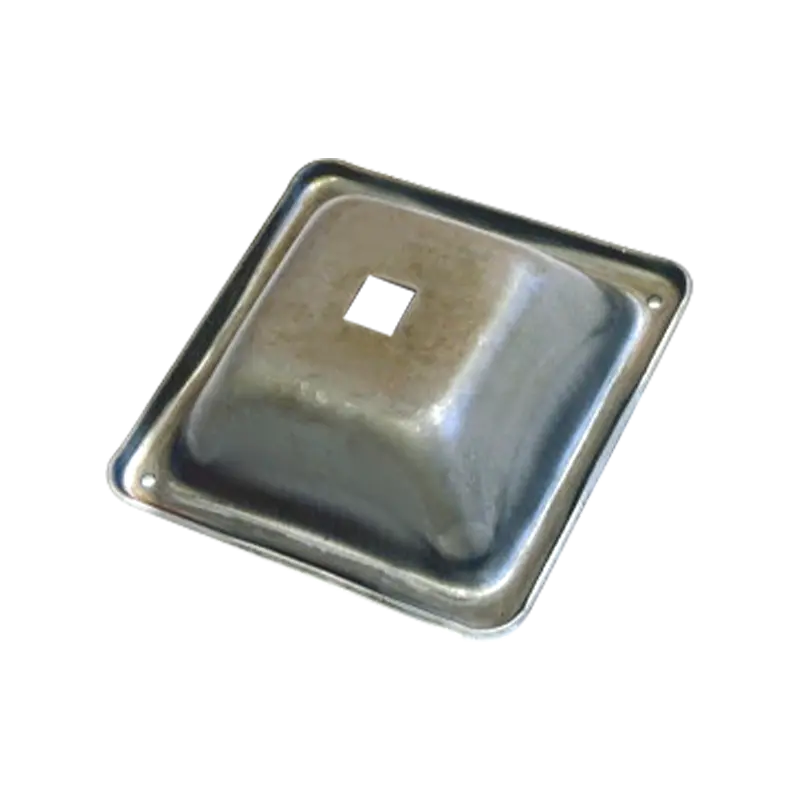
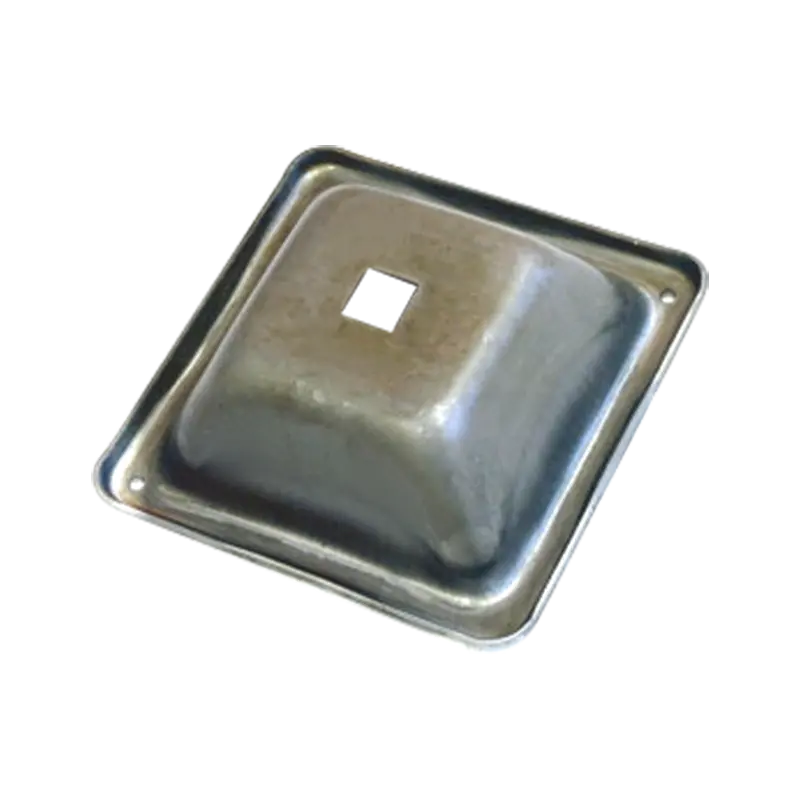
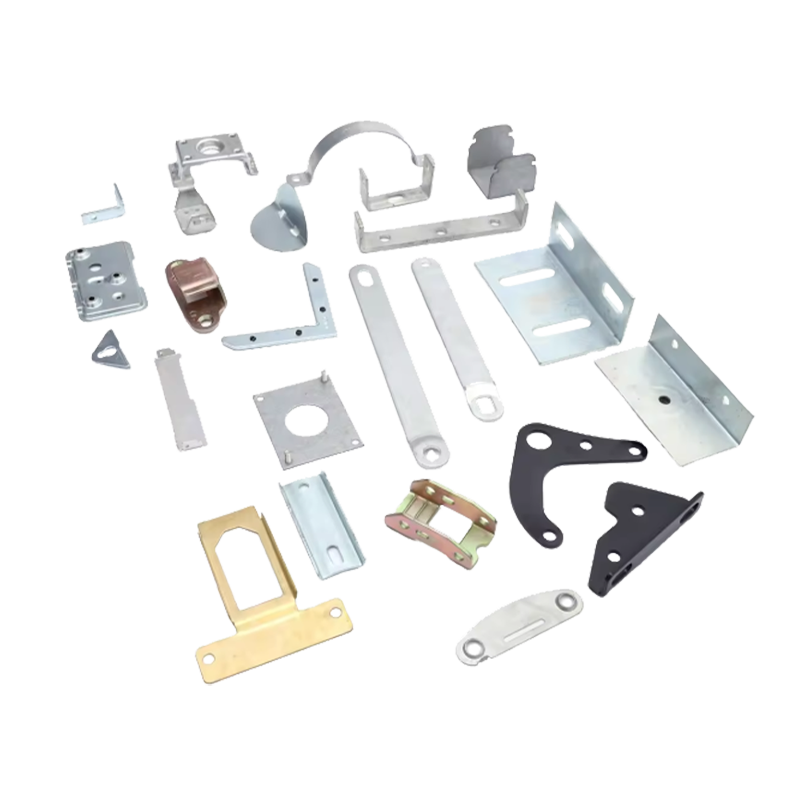 Custom OEM Metal Bending, Punching and Stamping ServiceThis service covers flanges and mounting plates produced by stamping or punching, ensuring consistent holes and flat surfaces. In-house tooling shortens lead time and supports powder coating, welding, and polishing for a smooth, corrosion-resistant handrail finish.View Product →
Stamped flanges and welded joints
Flanges and mounting plates are often produced by stamping or punching because that method creates consistent hole positions and flat surfaces. The rail tube is then fitted to the flange and welded with TIG or MIG depending on the joint design. After welding, the weld seam is ground and polished so the handrail feels continuous to the hand. This is not only an aesthetic detail; a rough weld can trap moisture and start corrosion.
Key Dimensions, Tolerances, and Mounting Factors
The first piece of information a fabricator asks for is the tube outer diameter and wall thickness. In custom pool handrail work, the most common range is from 32 mm to 50 mm outer diameter. 38 mm and 42 mm tubing are selected most often because they give a secure adult hand grip without feeling oversized. 32 mm is common for lighter residential rails or secondary grab bars, while 50 mm is used on commercial and waterfront installations where a larger grip segment is expected.
The horizontal bar chart shows the relative frequency of tube outer diameters in custom pool handrail manufacturing. 38 mm and 42 mm tubing are common because they feel secure in an adult hand grip. 32 mm is used for lighter residential rails or secondary grab bars. 50 mm is more common on commercial and waterfront installations where a larger grip segment is requested. Diameter also affects bending radius and tooling, so the fabricator should confirm it before cutting pipe.
Wall thickness is another important decision. A 2 mm wall feels solid when the rail is stressed, while 1.2 mm may be acceptable for a light grab bar. For a pool step rail that must support an adult pulling up from the water, a heavier wall and a deep flange are safer. The mounting plate should be large enough to spread the load, and the bolt holes should be positioned to match the deck anchor spacing already installed.
Procurement risk usually appears after installation. If the mounting hole spacing is wrong, the rail cannot be fixed without redrilling concrete and adding anchors. If the tube outer diameter does not match a previously supplied clamp, the whole design changes. A reliable approach is to send a detailed drawing with tube OD, wall thickness, overall height, reach, flange size, hole spacing, and required finish.
- Tube outer diameter and wall thickness
- Bend radius and centerline height
- Flange size and mounting hole pattern
- Welding method and weld finishing level
- Surface finish, such as brushed, mirror, or powder coated
- Expected load or intended user group
Stamped brackets are also common on pool handrails because they hold the rail away from the wall and allow drainage behind the rail. If the bracket is made from a thin sheet, it can deform over time. The bracket should be stiff enough to resist pulling and twisting forces, and it should be made from the same 316 grade as the rail to avoid galvanic corrosion.
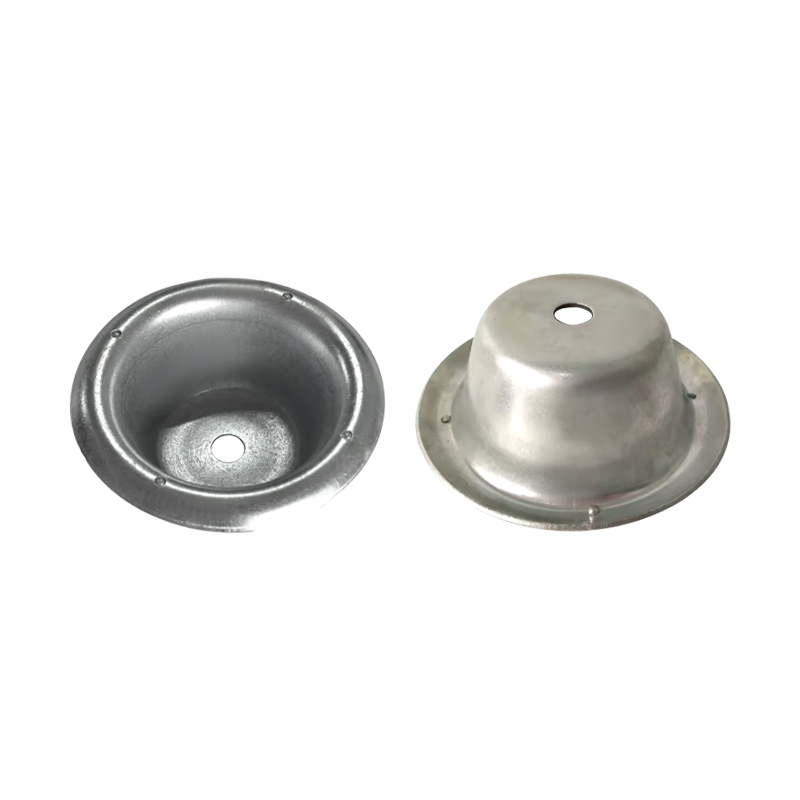 Precision Sheet Metal Pipe Connection Bracket StampingPrecision stamped brackets keep pool handrails off the wall and allow drainage. This service provides stiff, dimensionally accurate brackets from materials like 316 stainless steel, helping prevent deformation and galvanic corrosion while withstanding pulling and twisting forces.View Product →
Surface Finish, Cleaning, and Long-Term Corrosion Performance
Surface condition is just as important as grade. A 316 rail with a rough weld or dark heat tint can still show brown marks in a chlorinated pool. Heat tint forms when stainless steel is heated during welding and the protective oxide layer is disturbed. It should be removed by grinding, pickling, or passivation before the rail is put into service.
A brushed finish is often the best compromise for a pool handrail. It hides fingerprints, is simple to refresh, and gives the surface a direction that can be cleaned easily. A mirror finish looks elegant but shows water spots and scratches more quickly. If the rail has a powder coated finish, the coating adds a protective layer and can carry a custom color, but the 316 underneath still matters if the coating is scratched or damaged.
The line chart shows a relative surface condition index over ten years of pool exposure. It is an illustrative comparison, not a laboratory prediction. 316 starts and remains higher because molybdenum stabilizes the passive oxide layer. 304 stays serviceable for a while but drops more quickly once chlorides find weak spots. This is why a 316 stainless steel pool handrail is usually specified by facilities that want lower maintenance costs. Weld areas should still be cleaned and passivated to preserve this advantage.
Routine cleaning matters too. A simple schedule using mild soap, warm water, and a soft cloth removes most pool chemical residue. Avoid abrasive pads that scratch the surface, and avoid cleaning products that contain hydrochloric acid unless a specialist recommends them. A scratched surface gives chlorides a place to collect, so preserving the finish preserves the corrosion resistance.
What to Check Before Ordering a Custom 316 Stainless Steel Pool Handrail
Before placing an order, compare material certificates and confirm that the actual grade is 316. Some suppliers offer stainless steel lookalikes, but the molybdenum content is what gives 316 its superior resistance. Ask for material specifications, especially if the rail is intended for a coastal pool or a pool with high chlorine load.
A second check is the manufacturing process. A handrail formed by a supplier with in-house stamping, bending, welding, and finishing equipment can be produced with tighter control. If the supplier needs to outsource several steps, tolerances and delivery times become harder to manage. The ideal partner can develop tooling, make samples, and repeat the same quality across larger orders.
It is also wise to ask for a physical sample or a first article. Check the tube ends, flange flatness, hole positions, weld transition, and surface finish. The sample should match the drawing before full production starts. For replacement handrails, include the old rail or a set of field measurements so the new rail fits the same anchors and clearances.
The Practical Takeaway for Your Pool Project
For a new pool, a replacement rail, or a commercial facility, the better decision is simple: ask for 316 stainless steel, specify a smooth and clean surface finish, and work with a custom metal parts manufacturer that can produce the rail to your exact dimensions. The material choice is the first line of defense. The fabrication quality is the second. Together they prevent rust, reduce maintenance, and keep the handrail safe for every swimmer.
related products
Send An Inquiry
Don't hesitate to contact when you need us!
Whether you want to become our partner or need our professional guidance or support in product selections and problem solutions, our experts are always ready to help within 12 hours globally
contact Us
Phone:+86 139-5824-9488
FAX :+86 574-86150176
E-mail: [email protected] [email protected]
Address: Unit 2, Building 19, Zhichuangzhizao Park, Chengdong Industrial Zone, Xiangshan, Ningbo,315705, Zhejiang, China
Product Category
Mobile